Tracing Family History and Heritage
“We are the accumulation of the dreams of generations.” —Stephen Robert Kuta
Studying history has always been about examining the past and connecting the dots, uncovering entire civilizations and societies, as well as their intricacies and ways of life. History helps us to understand how and why we do the things we do, as well as poses questions for the future.
Our region has a particular strong ancestry noticeable in our surnames and traditions.
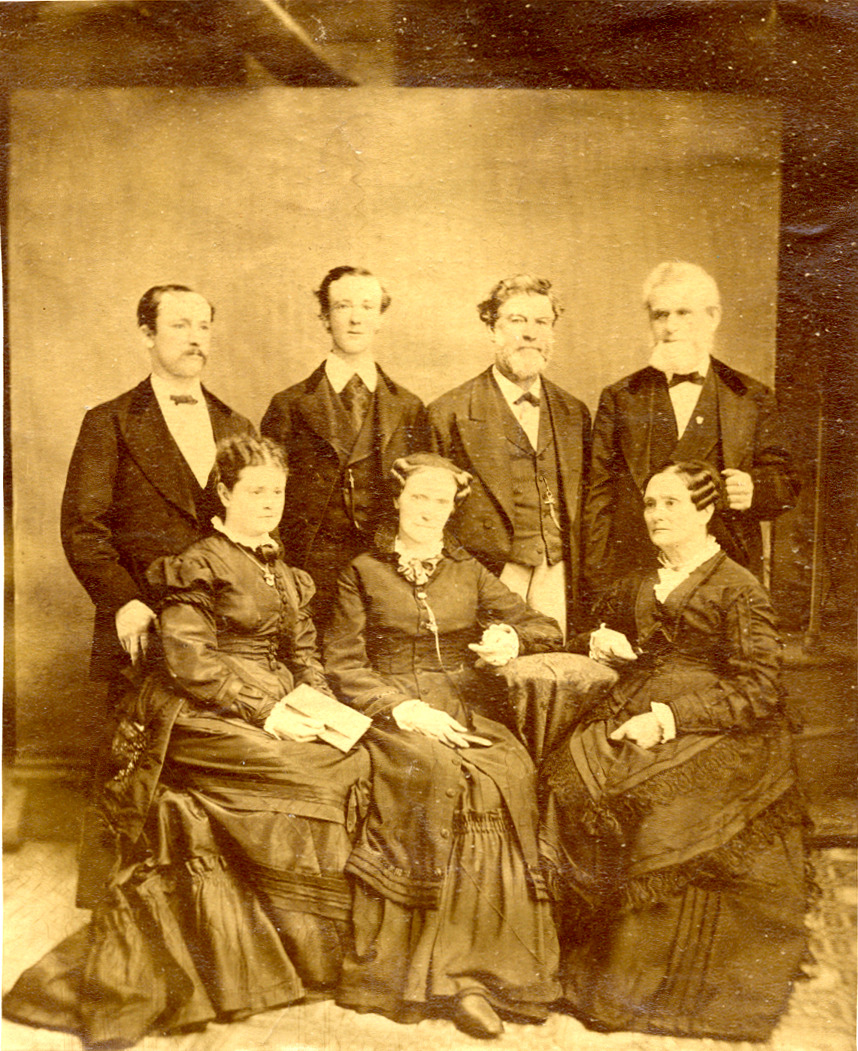
“German ancestry is the most common in the Fox Cities, reflecting broader immigration patterns across Wisconsin, where German settlers formed one of the state’s earliest and largest European communities,” Katie Stilp, Local History Librarian at Appleton Public Library says.
“Other prevalent ancestries in the region include Irish, Polish, English, and Dutch. These groups established strong roots here during major immigration waves of the 19th and early 20th centuries, drawn by available farmland, growing industrial jobs, and the support of established ethnic communities that helped newcomers settle and thrive.”
When it comes to tracing our personal family history, it’s about even more. Finding our ancestors and getting to know their stories gives us a sense of belonging, connecting us to something larger than ourselves.
“Researching families, locations and businesses is very interesting. It connects and grounds us to the communities in which we live,” Gwen Sargeant, President of the Appleton Historical Society, says. “Knowing our collective roots in Appleton fosters a sense of belonging.”
Common terms in historical tracing can be interchangeable, but have slightly different meanings.
“Ancestry refers to your biological lineage, the people you descend from—your parents, grandparents, great-grandparents, etc.,” Stilp explains. “Genealogy is the research process and documentation involved in building a family tree to identify individuals in a lineage.
“In genealogical research, you’re often also adding what we call collateral ancestors—the aunts, uncles, and cousins of your direct ancestors—to your family tree because important clues or missing pieces of the puzzle are sometimes found in their records rather than in those of your direct line. In other words, you do genealogy to discover your ancestry.
“Heritage is more broadly the cultural traditions, customs, values, practices, and even foods passed down through generations. It doesn’t have to be biologically your ancestry that is passing it down either!”
The Fox Cities offer a plethora of opportunities and resources to begin research, whether ancestral, genealogical or surrounding heritage—or often a mix of all three.
The Appleton Historical Society, housed at the Appleton History Museum, holds a reference library that is open to the public during regular business hours. Members can access the library for free, while non members pay $5.
“You don’t need an appointment; our museum guides can point people to the resources we have in the library,” Sergeant explains. “This is a library of physical books with an index to the book locations… The Pioneers of Outagamie County book lists many of the pioneers and in some cases has photographs. The map room has large maps to look at to determine locations and see what Appleton looked like when 22 ravines ran out from the Fox River.”
Tracing Your Family and Building a Family Tree
A resource for those looking to build their family tree, the FamilySearch Center in Appleton offers complimentary services for those looking to research their lineage.
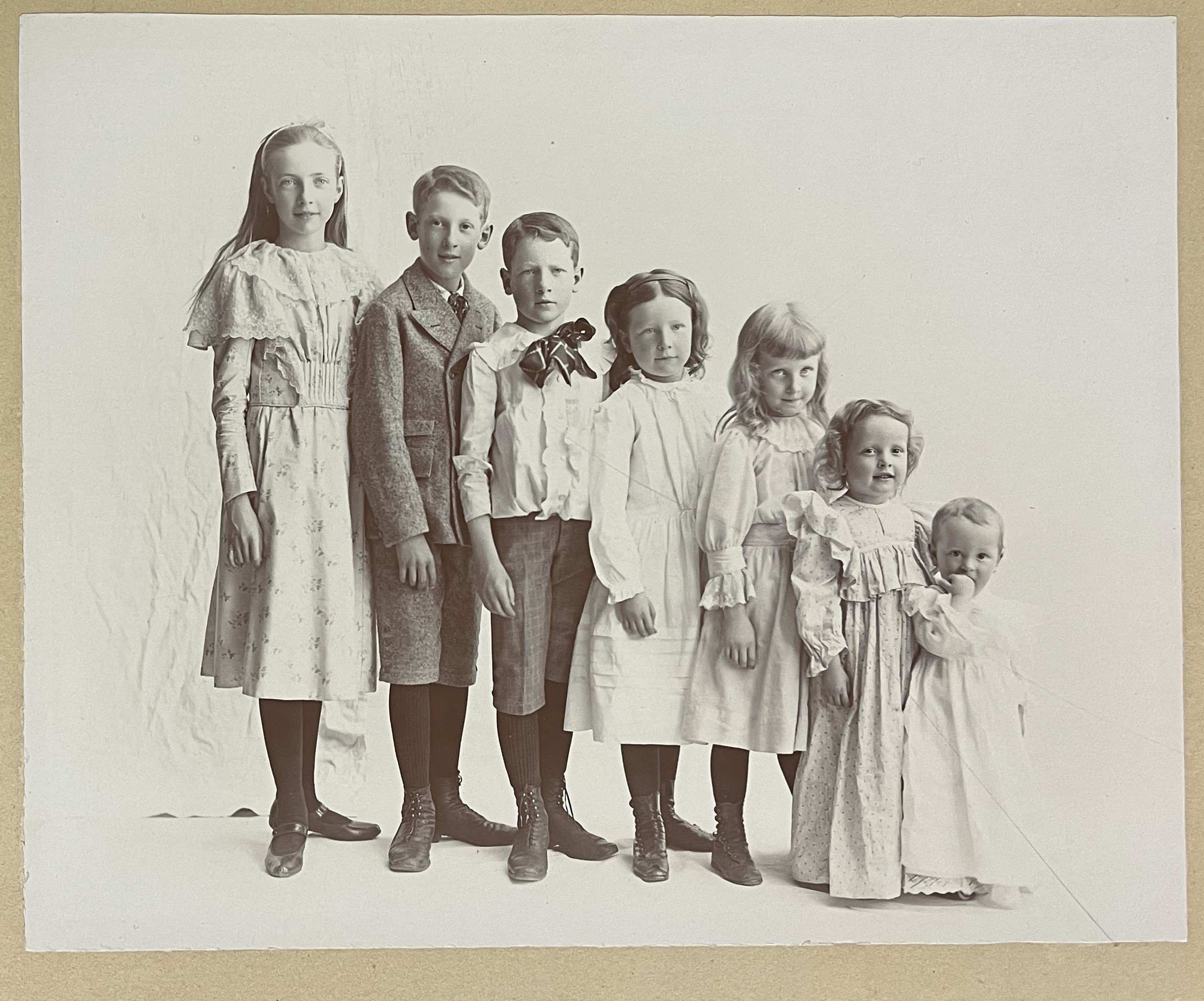
Visitors begin by starting an account with FamilySearch, and that opens up perks like access to premium websites for free while working in the center (they are not available at home). Sites vary, and when to choose which largely depends on preference.
“Ancestry is one of them,” Mary Winterfeldt, FamilySearch Coordinator says. “On Ancestry, it’s your account. Nobody else can touch it… on FamilySearch, other people can go in if they’re related to you, even fourth or fifth cousins, and they could be working on the same people, and they could change it. It could actually help you… they might put people in and I might put people in and we might build our family tree together.”
While having a jumpstart to family information can be great, don’t let not having it stop you.
“Lots of times, a person will come in and they’ll just start with their name,” Zen Miller, Ward Family History Leader, says. “Put your mom and dad in, put in what you know—or think you know. You can go back and change it, and then start building.”
The Appleton Public Library offers another opportunity for support throughout the research process. Stilp guides visitors through the process of using library resources, as well as one-on-one guidance.
“One of the best resources we offer is our staff,” she says. “We can help you navigate the wide range of materials available and figure out which tools are best suited to your specific research questions. And if you’ve already tried searching on your own and come up empty, we can show you different strategies, search methods, and places to look to help you get closer to what you’re seeking.”
Like the FamilySearch Center, the library offers the benefit of accessibility.
“Many high-quality research tools are also behind paywalls, but one of the great advantages of the library is that we provide free access to resources such as Ancestry Library Edition, Fold3 Library Edition, and Newspapers.com Library Edition,” Stilp says.
“Our Don and Betty Jabas Appleton Collection is full of treasures—from yearbooks and city directories to historic maps, photographs, and microfilm of historic Appleton newspapers. Many of these materials aren’t available online or anywhere else. We also provide equipment you may not have at home, including a microfilm reader, a printer/scanner, and public computers with internet access.”
A variety of sources within the sites provide documents like obituaries, military documents and photos. Census records, marriage licenses and more also assist in connecting the dots. Research tools are ever changing, even incorporating artificial intelligence.
“The military has excellent records,” Miller says. “They had to go through the draft, it gives you birth dates, all of that stuff is in their military record. It helps a lot. Now AI research is here… it’s cool. As soon as you start putting things in there, it will start looking for you.”
How you go about building your family tree is up to preference. While some believe it works best to add those after they’ve passed, some prefer to add now.
“People think about this differently,” Miller says. “I think everybody should put in everybody alive now that they can because they’re holding a place. It can help you get back to the people who are deceased.”
Area resources also offer programming, all complimentary, to further learn about the research process and finding ancestors.
“We offer two genealogy program series every month,” Stilp says. “On select Tuesdays throughout the year we host our Genealogy Jumpstart series. Genealogy Jumpstart covers the basics of family history research, but even those who have already explored genealogy—or consider themselves seasoned researchers—find value in these sessions. Each month focuses on a different topic, exploring various record sets and resources that can help you successfully research your family tree. For example, one month we may discuss land records, and another month we might explore census records. We also provide live demonstrations of the genealogy databases available at the library so you can see how to use these tools to search for your family’s records.
“We also host the very popular Find Your Ancestors series, which has been running since 2014. These programs are offered once a month. We’ve covered nearly every topic you can imagine—from programs focusing on specific ethnic groups, such as Irish or German, to broader topics like locating your ancestral hometown or organizing your genealogy records.
“For those interested in local history, we also host the Appleton Historical Society for their monthly presentation series on the second Wednesday of every month at 6:30 pm. As with our genealogy programs, each month features a different topic and speaker.”
Misconceptions and Success Stories
Stilp says there are quite a few common misconceptions about genealogy.
“First, genealogy is so much more than just collecting names and dates. It’s about learning who your ancestors were—their stories, their work, their culture, their daily lives, and the historical events that shaped them,” she says. “Genealogy places your ancestors within the broader historical context. You might have learned about the Civil War or other major events in school and found the material dry, but discovering that one of your ancestors lived through or participated in those events suddenly makes history feel more personal and engaging.
“Another big misconception is the idea that everything is online now. If you only research online, you’re truly seeing just the tip of the iceberg. Countless records still exist only in physical form—in libraries, courthouses, archives, churches, and historical societies around the world. Even the databases we provide access to in the library and in the physical materials we have contain only a fraction of what’s out there. People also sometimes think genealogy is something you can complete quickly, but you can’t realistically trace your family back several generations in a few hours or days.”
Through those misunderstandings and potential roadblocks in the process comes triumphant stories and well-earned history passed down to yet another generation—sometimes with unexpected information.
“People can be surprised,” Miller says. “If you’re from Wisconsin you think ‘oh, my family is from Wisconsin,’ but that’s not always the case.”
“I absolutely love it when people share their success stories or recent discoveries!” Stilp exclaims. “A recent attendee of our Polish research presentation told me that, thanks to what she learned, she was able to track down a marriage record for her husband’s third great-grandparents… I’ve also had the honor of helping reunite World War II dog tags and old family Bibles with descendants after patrons brought them to the library hoping to find the families. Being able to help return these priceless heirlooms to the people they belong to is one of the most rewarding parts of my work.”
On a personal note, Stilp has a success story of her own.
“I’ve been researching my family history on and off for about 20 years, and I’ve traced one of my family lines all the way back to my 12th great grandfather, Richard Warren—one of the passengers on the Mayflower!”
It’s all about sharing history when it comes to tracing family and building family trees, and Winterfeldt makes sure her family knows about it all.
“We play games,” she shares. “‘Who was the ancestor born in 1880?’ ‘When did this person come from Wisconsin?’ One of my other relatives puts up our family tree line and pictures and everyone looks at that ahead of time. They win gift cards!”
The benefit of being curious and intentional about your family history not only helps you, but your future lineage.
“It gives your children and your grandchildren a base so they know where they come from,” Winterfeldt explains. “When I was growing up, my family didn’t talk. I don’t remember my family ever telling stories about their ancestors. That line was shut down. Studies show that children who have roots do better. I think they probably feel more secure, they know they came from a place where people cared.”
“By uncovering the lives of past generations, genealogy turns distant history into something meaningful and makes major historical events feel more personal when you know how your own family experienced them,” Stilp adds. “It also keeps important family stories from fading away—stories you might never hear unless you go looking.”
“For example, some of my family had to be careful about their temper,” Miller shares. “We have this thing that I think we need to learn about. I have to watch this, I have to watch that. It comes from my dad’s line… it’s something for future generations to be aware of.”
“A family tree is truly never ‘finished,’ Stilp says. “New generations are always being added, and there are always ancestors further back in time to discover.”
“I think there’s something spiritual going on as well,” Miller adds. “There’s just something about being connected. You don’t have to be religious, it’s just who we are as people.”