

Area Experts Explain
Home improvements and maintenance can seem daunting. They range from cosmetic and aesthetic like paint, design and decor, to functional and practical like structural integrity. While the former admittedly seems more fun and approachable, the latter gives the home its strength and durability. And, frankly, cause more problems if they’re ignored.
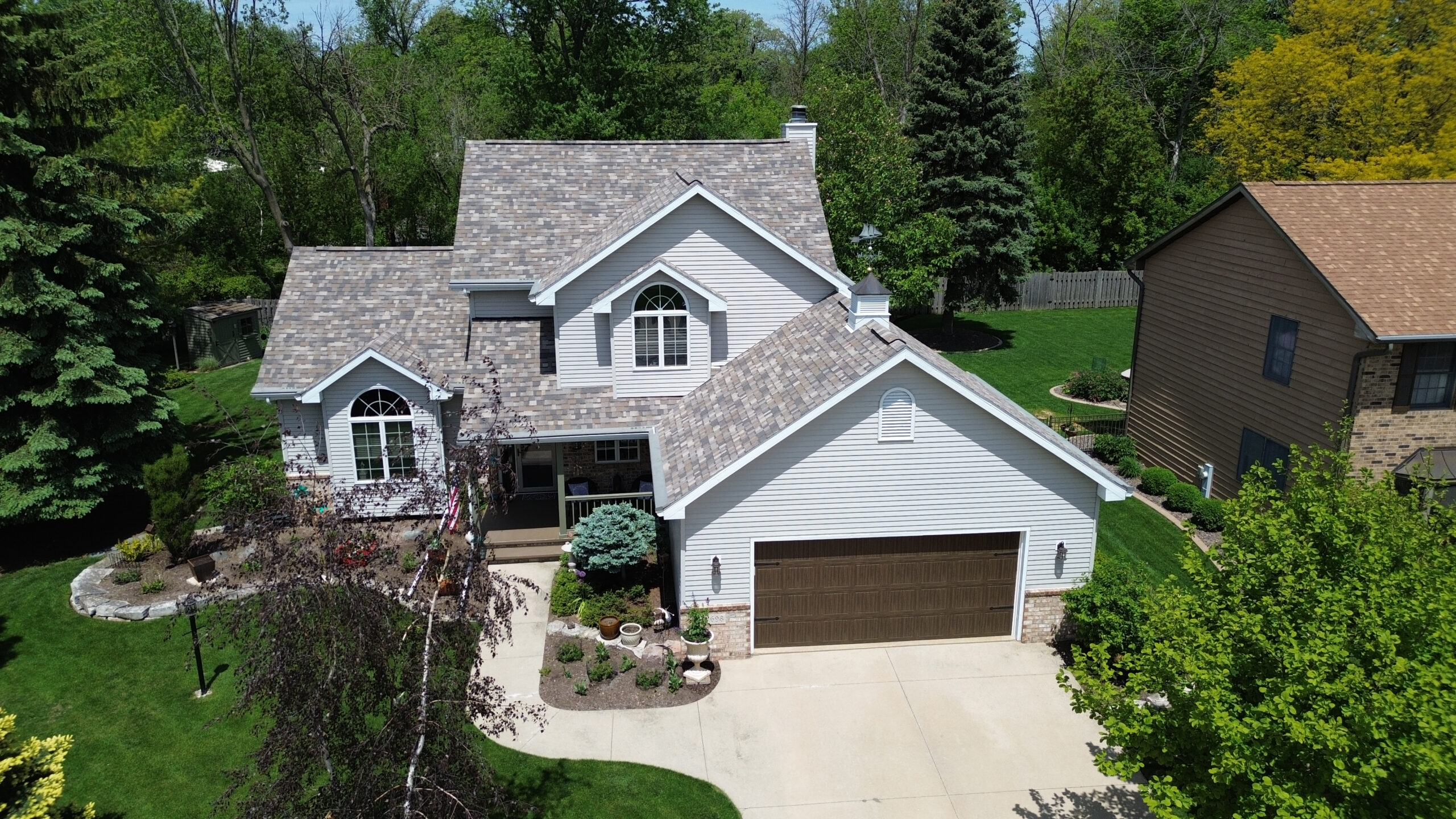
“Two parts of the home consistently prove most detrimental if issues arise: the foundation and the roof,” Josiah Perkins, Senior Sales Manager for Security-Luebke Roofing, Inc., says. “Like so many industries, the products are only as good as the hands that build or install them. The best shingle in the world will not keep water out of a home if it’s installed poorly.”
The “best” shingle remains up to preference, maintenance and lifespan, and has evolved in terms of cost and technology. But the fact of its significance in keeping the house and those within it safe and happy remains the same.
“Roofing is always necessary to keep families safe in their homes,” Perkins says. “Storms and politics can have an impact on the pattern, but the need to keep water out never really changes.” With that being said, the options and why homeowners might choose one material over another can be intimidating, and our area experts appreciate an informed client; however, they’re not afraid to do the teaching either.
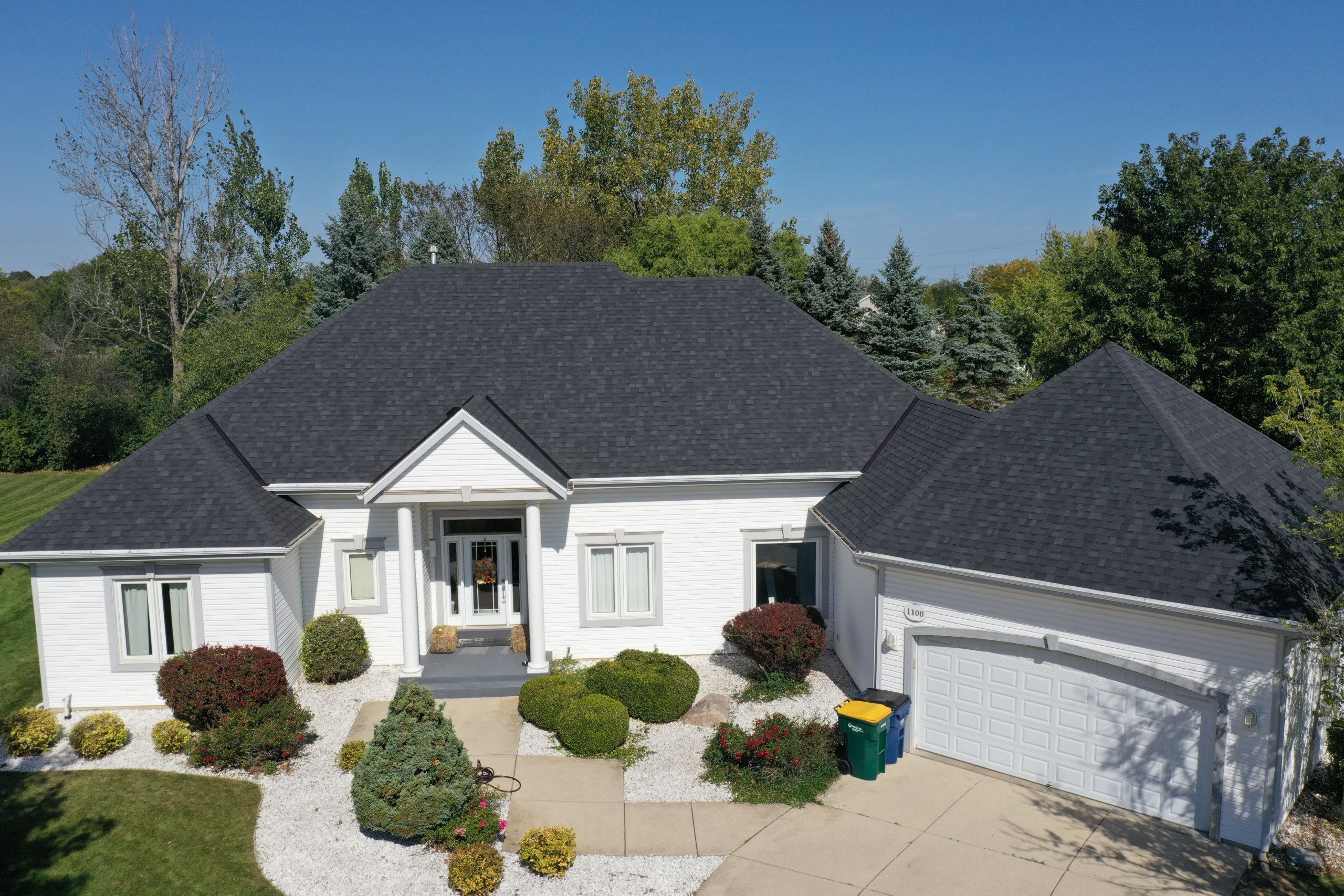
“The consumer is way more educated today,” Anthony Walsh, Founder of DuraShield shares. “With Google and ChatGPT and things like that, people are doing a lot of research before they’re contacting the contractor. We love it because we have an educational, informational approach. We’re bringing things up in our presentation that they may already be aware of. We want them to be informed and make the right decision.”
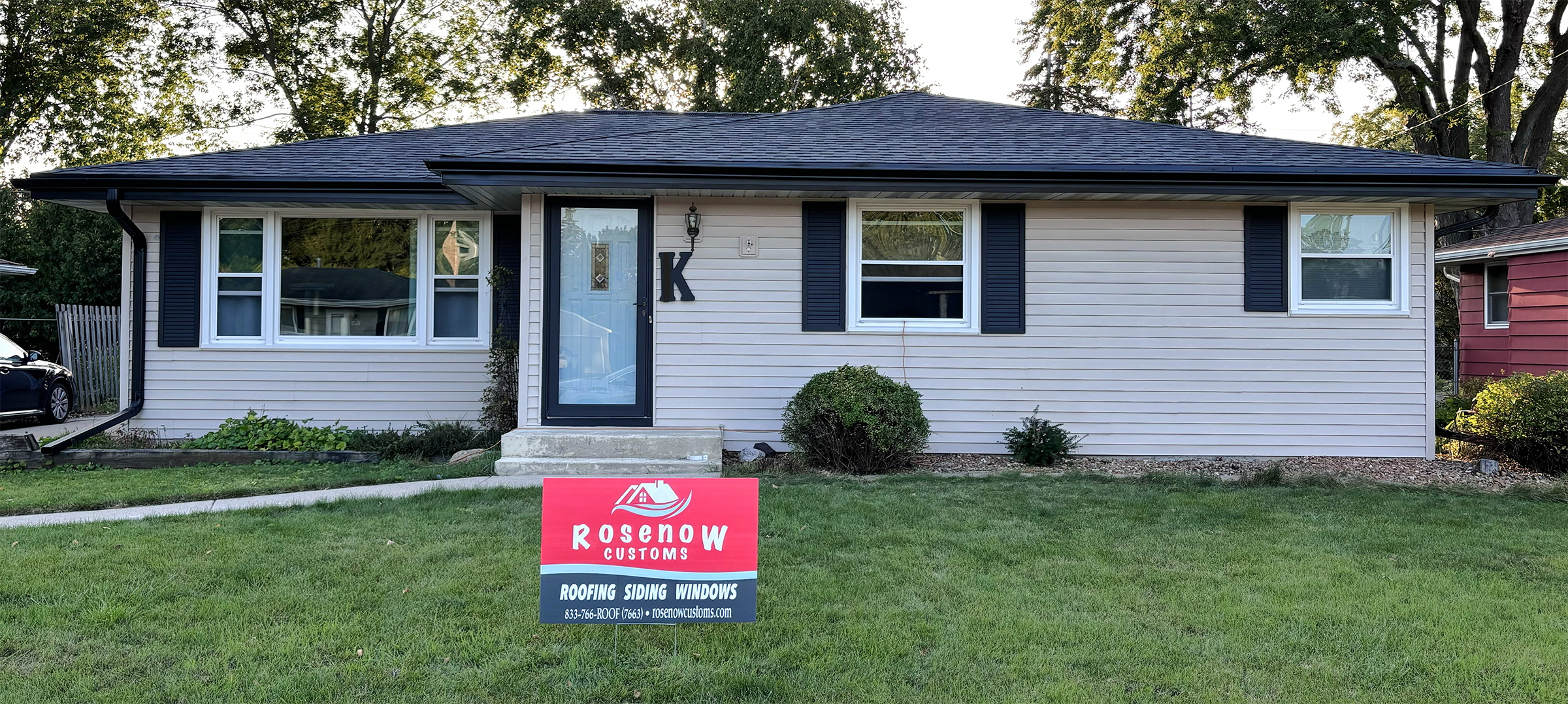
“There can be a mindset that a roof is just a roof,” Shane Rosenow, Owner and Director of Business Development for Rosenow Customs, adds. “People should know there are a lot of new builds that are being put up all over the place, in order for a builder to make money, they have to put on bulk bought stuff, which is concrete and contractor grade material. They’re decent, but they’re not going to last forever.”
There’s a lot to know about roofing before landing on a contractor and choosing a material. From cedar shakes, asphalt, metal and more, our area experts talk about what to know in the four seasons of Wisconsin throughout the lifespan of your roof.
Roofing Material Types: Pros and Cons
“The benefits of each material depend heavily on the homeowner’s goals for the property,” Perkins says. “Factors like how long the homeowner plans to stay in the home, whether the home is an heirloom to be passed down, and the cost of replacement all influence which roof type is the best choice.”
The most common roofing material in the Fox Cities area remains asphalt shingles, the majority made from fiberglass, with the component of asphalt used for waterproofing. Particles of crushed stone or minerals embedded into the surface of asphalt shingles are called “granules” and can be a great test to the condition of your roof.
“When shingles are delivered to your roof, they have 110% of the granules that they are required,” Walsh explains. “That extra 10% is called packing granules. When the roof is brand new, you’re going to notice a lot of the granules coming off in the first several rainstorms. That’s normal. “Every year, more and more granules come off the shingle. When you start getting up to 16, 17 years, there’s going to be a lot more granules coming off and that’s what protects you from UV rays and causes loose shingles.”
Summers in Wisconsin often include severe storms, and that means hail. Impacts on asphalt shingles can damage them and there’s a roofing rating system to discern what can withstand what type of destruction. Shingles can achieve an impact-resistance rating from Class 1 through 4, with a Class 4 rating being the highest and best. Some insurance companies may provide premium discounts when shingles are impact-resistant rated at the Class 4 level.
“People are definitely willing to spend the money to have something that’s going to withstand, you know, Mother Nature a bit better. Not everybody, but more people than in the past,” Walsh says. “That’s one of the main reasons people are taking the cedar off and going to the composites because, you know, it’s going to be more resilient.”
While natural cedar shakes have a charming allure and curb appeal unlike the other roofing materials, they also bring with them heavy maintenance and cost. It’s up to the homeowner if it’s worth it.
Walsh warns that very few insurance companies insure homes with natural cedar shakes, and if they do premiums are “astronomical.”
“They’re wood, so of course there’s maintenance. It breaks down over time,” he explains. “A lot of people are taking them off and putting on composite shingles because they’re less likely to get damaged in hail. The hail will literally bounce off of it and not damage it, whereas it would destroy a natural cedar shake roof.”
Composite shingles are engineered and made to mimic other substances like wood, steel, composite, rubber and PVC.
“They can be made (very convincingly) to look like the other roofing materials,” Perkins says. “We most commonly see the advantage of composite shingles when replacing a cedar shake roof. Cedar is a highly flammable material and has shown a tendency to have a relatively short lifespan.
“The composite cedar shingle is an excellent way to capture the same character and feel of the cedar without the fire risk and with a much longer service life. It can also be an excellent solution for a historical home or homes in neighborhoods with requirements to maintain the cedar look. Very few people could tell the difference between the two materials, including those with an experienced eye.”
Traditional metal roofing—sometimes called hidden lock fastener or standing seam—certainly have their pros, with longevity and lack of maintenance on their side but Rosenow also explains some of their cons, especially in our area.
“When you think of traditional metal, I’m sure the first thing that goes through your mind is country homes with barn style roofs,” he says. “Those roofs are great, but they aren’t the forever roofs some people think they are. They change colors, fade and can get a chalky feel.
“They’re also very dangerous in our Wisconsin winters. The snow actually melts, refreezes, and then slides off in big chunks. The snow guards usually break off, and then you can get injured pretty fast or do damage to your property.”
It’s actually a value to have snow on your roof as it becomes insulation, lowering heating costs. “We have a product that’s been out for over 65 years. It’s called DECRA stone-coated metal roofing,” Rosenow explains. “They look like an asphalt roof when you’re done, and it is truly the last roof that you need to put on your house.”
Deteriorating Roof Signs and Replacements
While the roof is an integral component in a healthy house and happy home, it can sometimes be taken for granted. “Out of sight, out of mind,” if you will. But your life, and your pocketbook, will have it much easier if you pay attention and take note. Like the famous quote by Benjamin Franklin, “An ounce of prevention is worth a pound of cure.”
“The pricing of roofing has never gone down,” Walsh says. “So in my opinion, it’s better to replace your roof before there’s a major issue or a leak. Sometimes homeowners wait a little bit too long because they’re not sure what’s going on up there. We’ve already had two price increases on material this year alone.”
“We seem to get like an extra 5 to 7% increase from the manufacturing partners, and once they do those increases, it never comes back down,” Rosenow agrees.
“The average roof life in Wisconsin is 17 years,” Perkins adds. “I suggest any roof older than 15 years should be inspected by a reputable roofer. Some good indicators that a roof is reaching the end of its life would be roof stones (granules) in the gutter or at the bottom of a down spout in substantial quantities, if the roof “shimmers” or sparkles in areas, missing or broken shingles, shingles that appear to be lifting, and of course, any kind of leaking happening in the home.”
There are different indicators in different seasons, especially in Wisconsin.
“In the winter, I would look at ice damming and icicles hanging off the edges of the roof,” Rosenow suggests. “In the summer, you can look at all the sides of the roof and you can visually see if one side looks better than the other. A lot of south facing sides we’ve seen lately with the builder grade shingles that there’s excessive granule loss and it looks like little pit marks on the shingles from the ground.
“If you look at the downspouts and there’s a lot of sand and stones in the gutters, that’s supposed to be on your shingles. So the shingles are starting to wear out.”
Other warning signs of an aging, failing roof include shingle cupping—caused by excessive heat in the attic or if the shingles haven’t set correctly.
When it comes to “trends” in roofing, there aren’t many. The industry does see different colors pop up, it isn’t often that fads take hold because of differing home exterior styles and a roof’s longevity.
“Most years, shingle manufacturers introduce new colors; however, the choice remains with individual homeowners. I would say most stay with more neutral tones and colors while a few like to make a little more of a statement with something more bold,” Perkins relays.
The typical season for roofing companies begins in mid-spring and lasts to mid to late November, depending on the weather.