

Types, Trends and Safety Tips
It’s that time of the year again! The temperatures have dropped, the snow continues to fall and cozy sweaters are a must-have. There’s nothing better than spending time outdoors in the snow and cold weather and coming home to snuggle up with a cup of coffee or hot cocoa, a pair of comfy slippers and a warm fireplace.
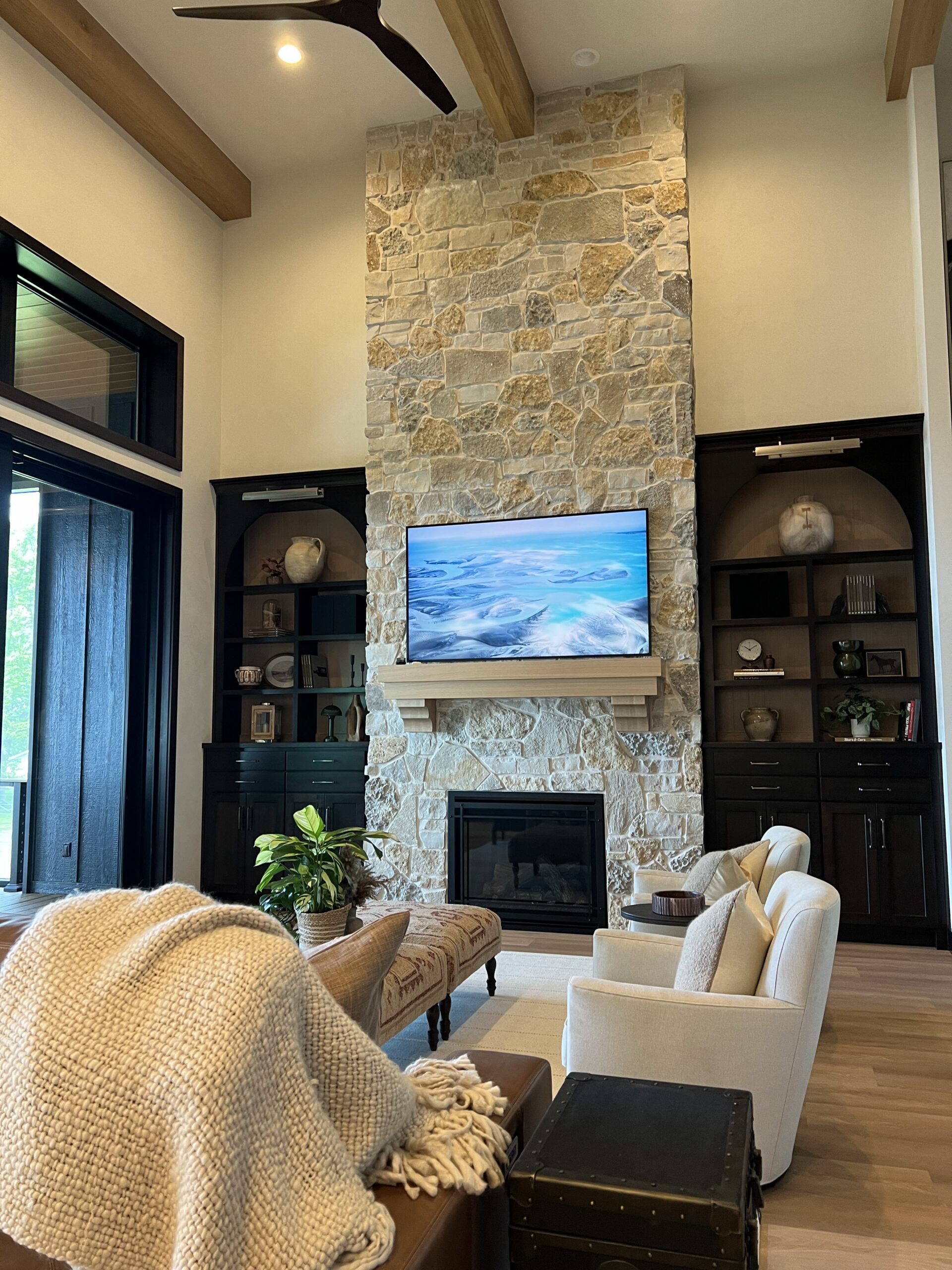
Now that the holidays are over, you may be considering making updates to your home. A great addition is to install a new fireplace or upgrade and modernize the one you already have. It’s not as simple as making a phone call or going to the store and instantly putting in a fireplace. It’s a project that requires research, patience and advice from experts.
You’ve come to the right place to learn all about the different types of fireplaces and some of the latest trends in the industry. This way, you’ll be fully prepared to ensure your home not only stays warm during the cold winter months but also feels inviting and looks aesthetically pleasing throughout the year.
Different Types of Fireplaces
A good starting place is to understand and educate yourself on the different types of fireplaces. Essentially, there are three main options to choose from depending on your personal preference and maintenance requirements. When shopping for a new fireplace, you can select from wood, gas, or electric.
Jeremy Van Dera, Sales for Darboy Stone, Inc. in Appleton, goes on to add that while there is a wide selection of gas fireplaces out there, “electric is becoming more popular and that one advantage is it doesn’t require any venting.”
Most popular are sealed high-efficiency wood fireplaces, units people tend to use often for the purpose of adding heat value to their home or saving on heating costs.
“While an open hearth is less efficient, it’s going to give you that snap, crackle, and pop sound,” he says.
If you’re in the market to convert from wood to gas, that can be done as well. You would need to have it inspected first for burning any fuel, a lot like your furnace, and run a gas line, provided you have gas in your house (propane or natural). Next, you install the gas-burning appliance, and a gas log set or a new fireplace insert.
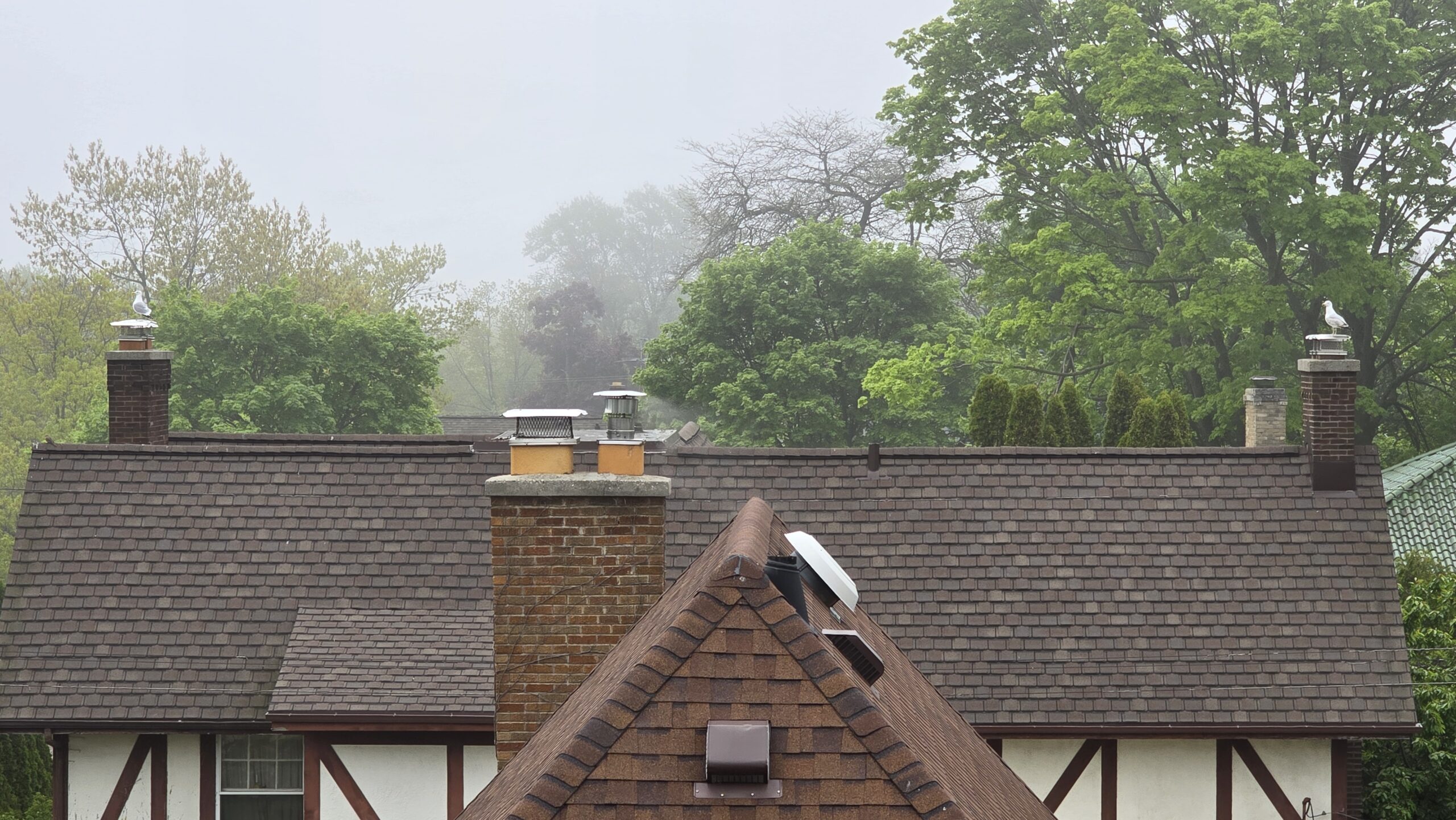
Jason Schmidt, Owner of Advanced Chimney Specialists in Appleton, makes a valid point that “wood is a renewable resource, which is good to do.”
Wood fireplaces will give off the most heat, but there’s more maintenance that goes into upkeeping them. The differences in fireplaces are the type of maintenance required and the type of fuel. For example, with gas, you’re using non-renewable resources, which aren’t as good for the planet.
Most people, when considering wood versus gas, will choose one based on the amount of maintenance involved. Gas has little to no maintenance. However, when you burn wood, you get soot, which can be flammable, so it has to be swept or removed from the fireplace and chimney system. This is a process that takes time and can be messy, so it’s best to have a professional do it. With a wood fireplace, you also need to buy and store firewood.
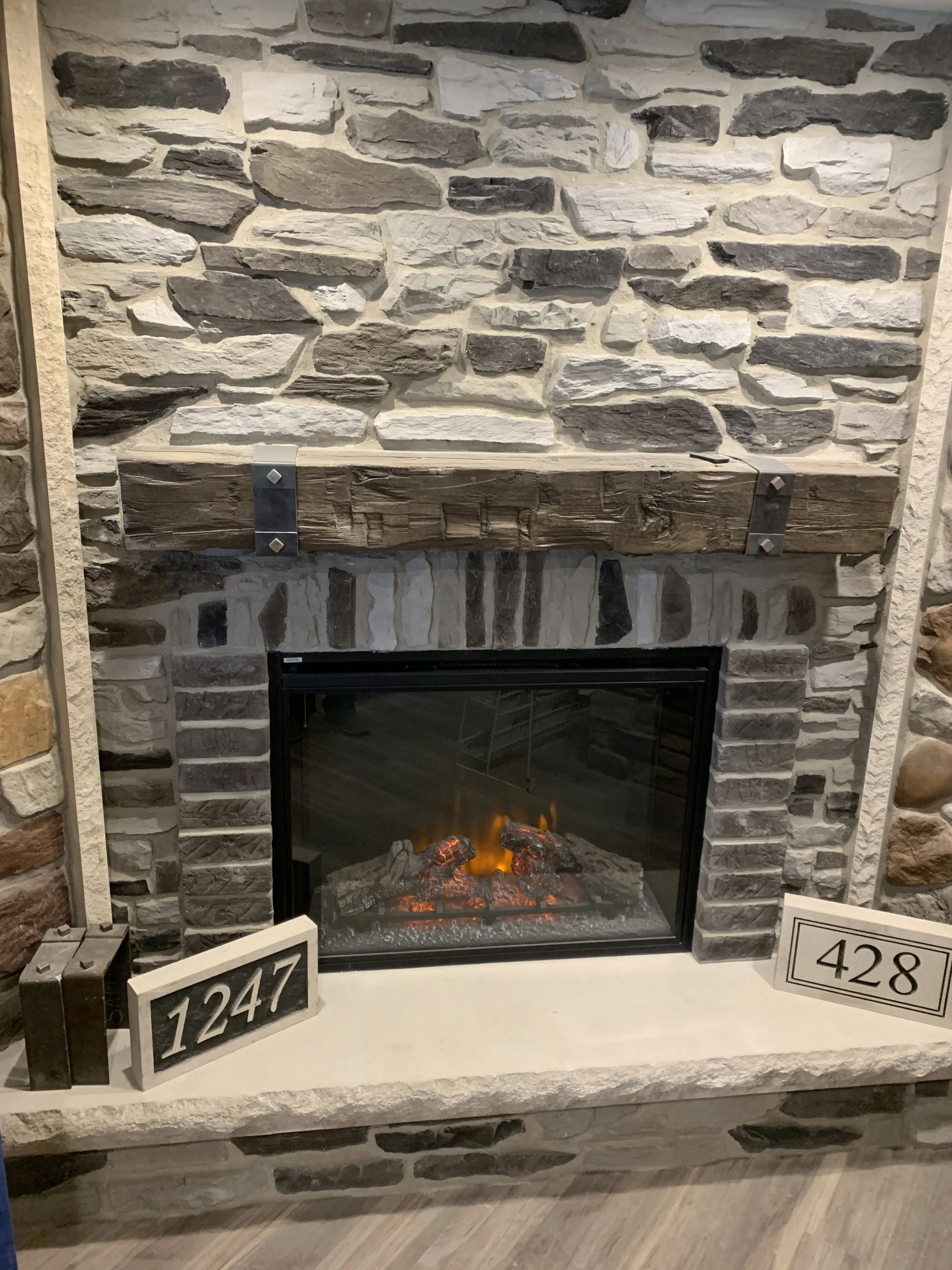
“Electric gives you a nice look, and if you’re switching to it, you will gain some heat and still get that flame look,” Jake LeNoble, owner of Tundra Stone Products & Fireplace LLC in Freedom, shares.
If you’re on a budget or don’t want gas, then go electric, as it’s cost-effective. However, gas is typically what people will put in, and the heat can be very good depending on what you get. Nowadays, it’s trying to budget and get the best you can for the price.
Fireplace Industry Trends
There are also some fireplace industry trends to be aware of as a homeowner. For example, you may see or want a double-sided fireplace put in. While it’s not as common an item, it has a place in certain scenarios.
“It’s a neat way to separate a room with a fireplace that you can see through,” Schmidt says.
People are also switching to electric or converting from wood to gas. They’ve, in particular, been doing a lot of wood to electric inserts.
“It’s cost-effective, seals up the top, and you get rid of cold drafts,” LeNoble says.
As far as gas goes, with the various models, you get options for different log kits. If you want certain back panels, brick, porcelain or reflective panels, it can be done. There are also options with the different lighting on the inside and trims around the front.
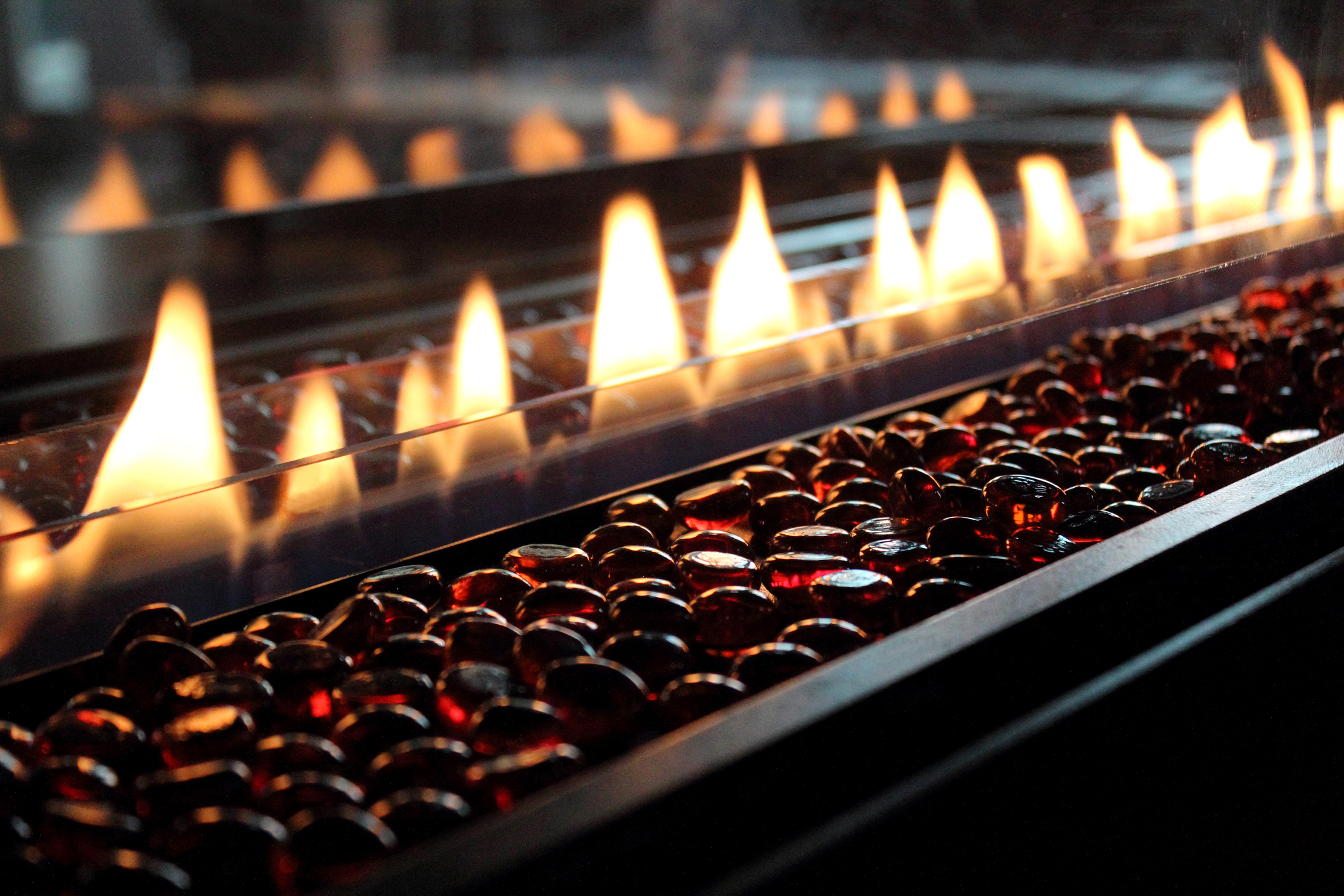
Van Dera is noticing that electric fireplaces are becoming more popular, and that options are increasing. On the gas side of things, there are many more options for shapes, such as linear or landscape, and people are going with a rectangle instead of a square appearance. There are also different media options on the inside. Instead of just logs to choose from, you might have glass media rocks or driftwood. Generally speaking, there are more choices overall.
“Mostly for its simplicity, and gas has gotten a lot better in the last 15-20 years for its heating capacity,” Schmidt agrees.
People are realizing that it’s not strictly a decorative feature.
Safety Tips and Maintenance
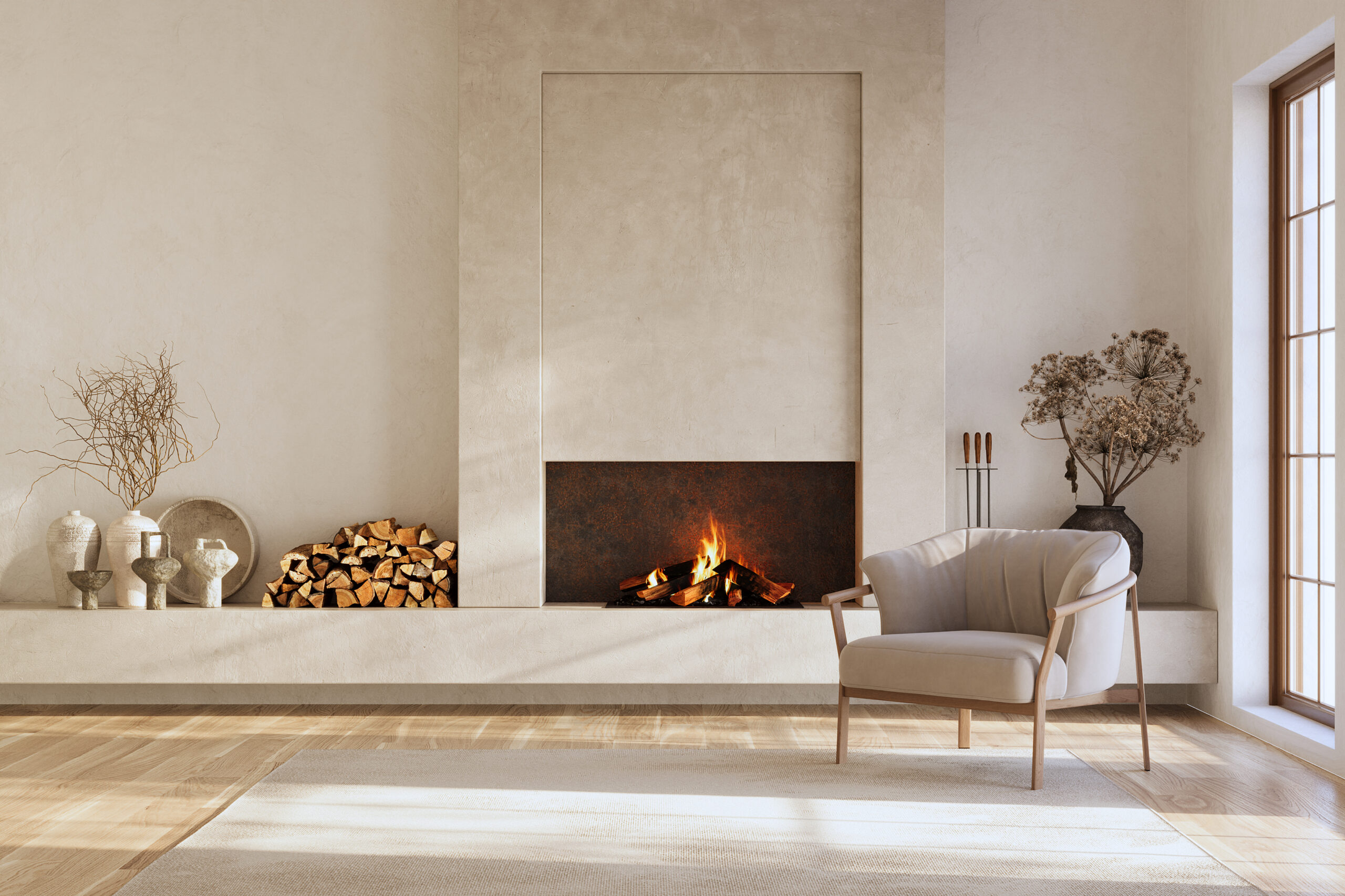
As a homeowner, safety and maintenance should be your top priority when owning a fireplace. It’s especially crucial when it comes to wood-burning fireplaces. Inspections are essential to keep it working properly and safely. Make sure it’s done right and safely.
“Having a certified chimney sweep is a very good idea,” Schmidt urges.
While a good rule of thumb is to have it done every year, you may need it more often because of the amount of firewood that you burn.
“The point is not to wait until it breaks,” Schmidt adds.
Most importantly, you should consider what type of wood you burn and the quality of the firewood. Wood from a tree has moisture, which produces a flammable soot called creosote.
As far as gas fireplaces go, it’s recommended that you have the unit cleaned or serviced before the heating season starts.
“If you have a wood fireplace, you should get it swept annually,” LeNoble suggests. He also agrees that it will depend on what type of wood you’re burning. You have to have dry wood versus wet wood, which will build up a lot more moisture. Be mindful of what wood you’re burning (oak is going to be your best), but mostly make sure the wood is dry.
For gas, check it every year if your exhaust goes outside the house.
“When you’re ready to fire it up, make sure there are no bird nests on the termination cap or anything that could block the exhaust from coming out, such as a hornet’s nest from summer,” LeNoble adds.
It’s good practice to get gas units cleaned and checked annually, and with electric fireplaces, you should wipe them down to maintain them and remove dust buildup.
Fireplace Aesthetics and Mantel Styles
As far as aesthetics go, experts say the “stone look” is in, specifically the lighter stone with off-white mortar.
Trends are also coming back around from the late 80s and early 90s. There’s no right or wrong answer for colors; grays and blacks are still popular. As far as mantels go, concrete mantels and barn beam styles are still popular.
“From a masonry standpoint, stone is popular and stones in white and gray tones in particular,” Van Dera agrees.
Traditional wood mantels are still popular, but they now offer a line of steel and concrete mantels. You can place them closer to the unit than a wood mantle, and there are more design finish options.
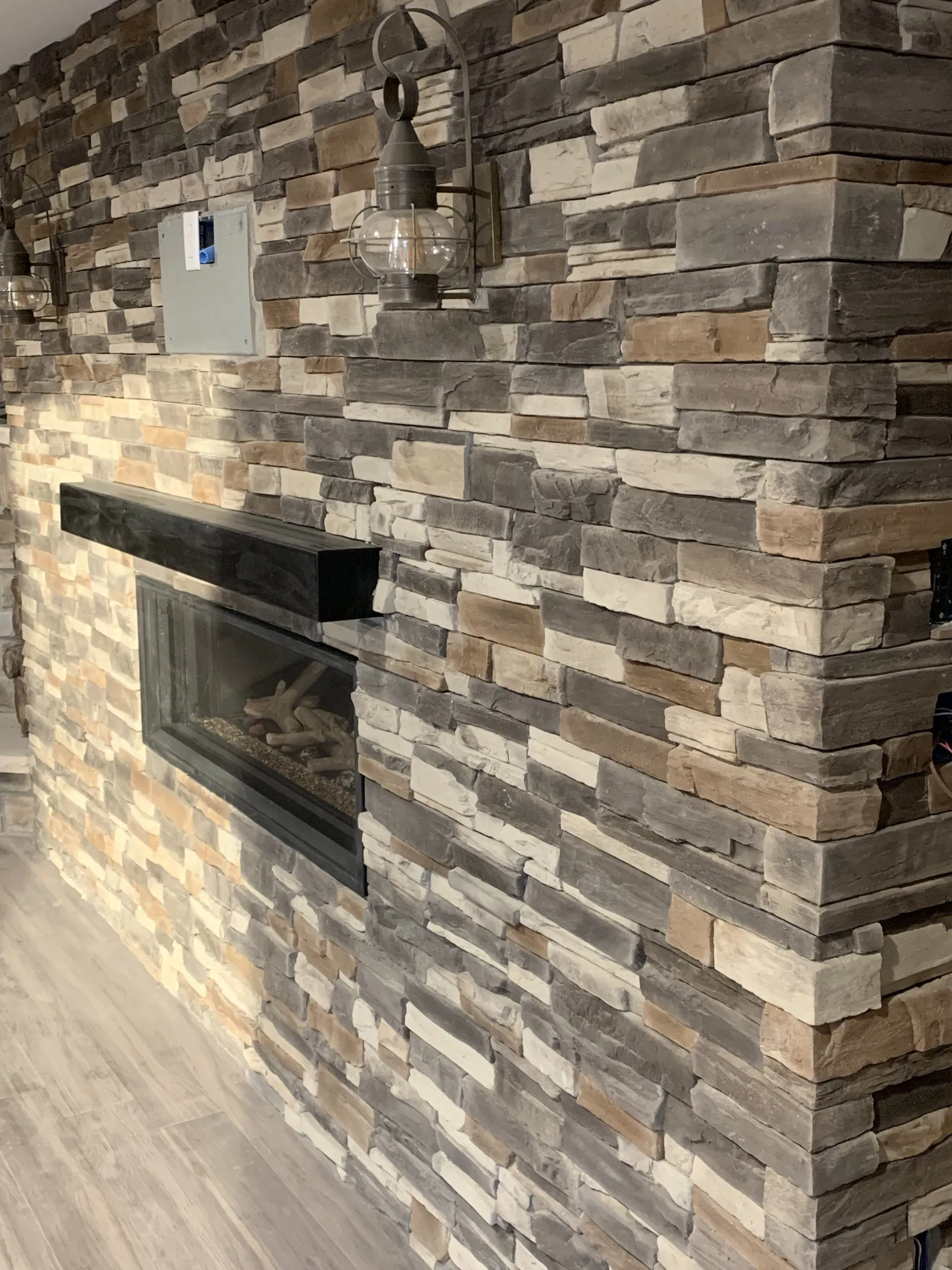
For example, you can choose from stone, brick, tile and marble. It’s best to stick with a non-combustible material around the fireplace within the recommended distance.
“There are a variety of materials you can use to make an area beautiful while also being safe and effective,” Schmidt says. “There are codes you should stick to that we can advise on, and make recommendations for, as well as take care of necessary repairs.”
Tips for Choosing A Fireplace
Choosing a fireplace is a big project and not something you can or should do on a whim. Instead, it requires careful planning and consideration. Take into account your lifestyle, home layout, personal preferences and maintenance.
“Honestly, the best advice would be to call a fireplace store and have them do an on-site estimate at your house,” LeNoble suggests.
This way, you can go over where you want it, see how big the house is, and talk about what your main goal is for the fireplace. For instance, are you looking for the heat or for the aesthetics, where are you able to get put in, and what is your budget?
The more you spend on the fireplace, the more you get, which gives you more BTU for the gas, or more heat and efficiency. However, if you want to install wood, then location is key because your venting has to get out of the roof.
“You may choose to put a fireplace on the outside wall so it doesn’t take up the footprint of a room, but on that outside wall, it tends to be cold,” Schmidt says. “Cold air sinks and warm air rises, so if that chimney is always going to be cold, it may make starting a fire challenging.”
He recommends putting in a fireplace entirely on the inside of the home. There are differences in how well it will work depending on where it is in the house and how it’s constructed in relation to adjacent parts of the house. Gas isn’t as finicky as wood in that regard, but location is important to consider.
A big challenge in new homes is that they are energy-efficient and air-tight. A fireplace needs a considerable amount of air for combustion, so you may have to introduce fresh air to the fireplace so it can perform and function properly. For example, you might have to install a fresh air duct right to the fireplace in this case.
“Determine what you are trying to accomplish, and take into account the size of the room and space you’re willing to give up,” Van Dera says.
Fireplaces are most common in great rooms, three/four seasons rooms, basements and also in the primary bedroom, on occasion.
“It’s OK to be picky and cautious, and all of these preventative measures are not a waste of time,” Schmidt explains. “With almost any fireplace you decide to install, you’re going to have good, better and best. It depends on what you want out of it. Some want standard/traditional and want the heat, some care more about beauty.”
Safety should always come first. Issues can be prevented, and an inspection is a critical step and part of the process. Do what’s right for you; most of the time, it’s a secondary source of heat, but don’t take it lightly.
Experts suggest first deciding on your main goal and what you will get with electric or gas versus wood and more heat. Electrics are trending up among homeowners, but it’s a personal choice. When choosing a fireplace and look, start with inspirational pictures online and then move to the on-site estimate.
While you don’t always have to go with the latest trends, it’s nice to know what they are in case it’s a direction you want to take your home and fireplace now or in the future. Safety and maintenance are essential when it comes to maintaining your fireplace and having peace of mind at home.
Most importantly, when the project and hard work are complete, be sure to sit back, relax and truly enjoy the beauty and warmth of having a fireplace in your home to use as you please.