

Classic and Modern Style Meet with a Twist
While fashion in itself is a unique expression of one’s personality, choosing a bridal look is the quintessential moment of marking that style.
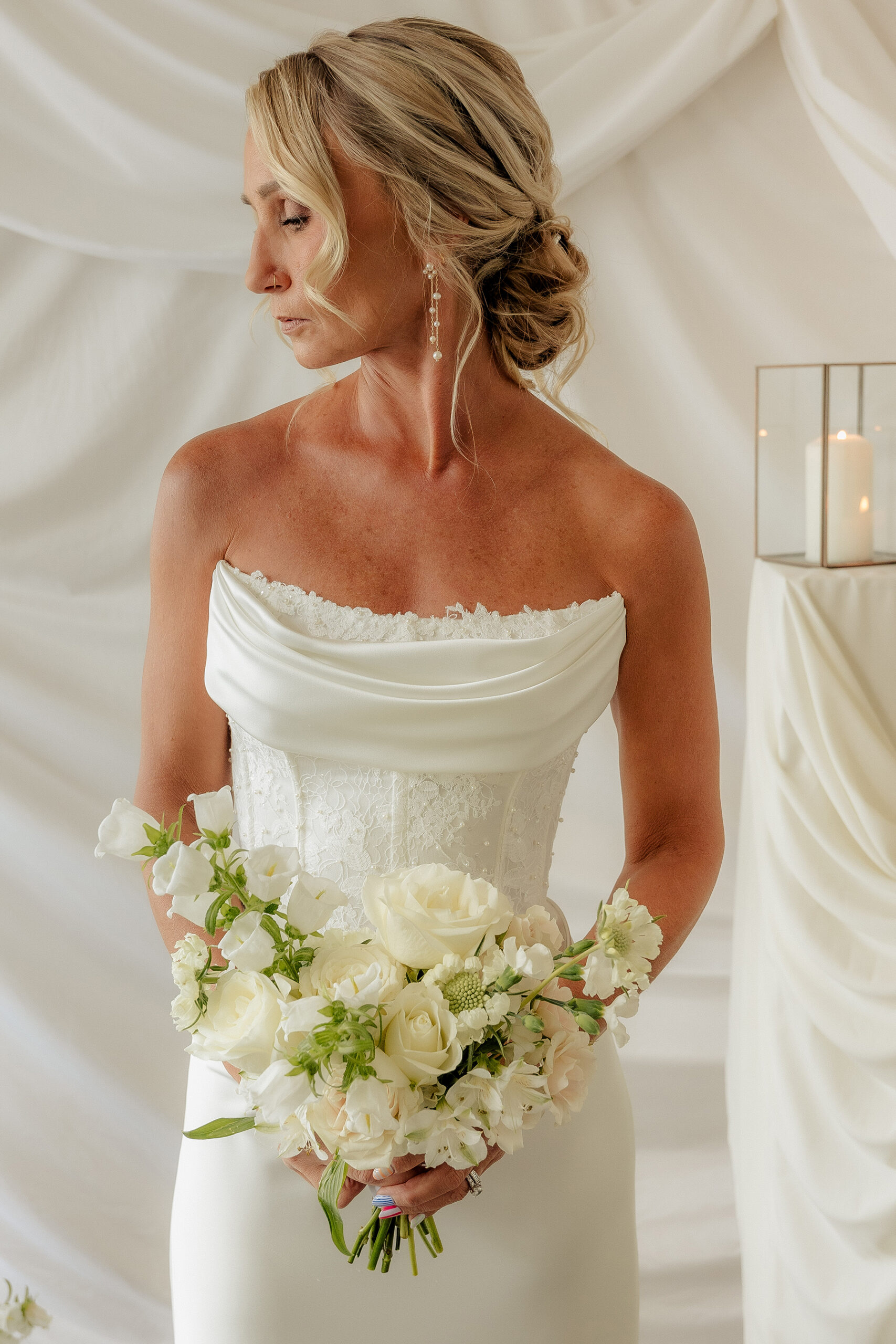
The history of wedding dresses has seen tremendous change over the last 100 years—not to mention over centuries.
Dresses prior to the 19th century often included vibrant colors like orange, red and blue symbolizing different virtues. Queen Victoria wearing an ivory satin and lace gown in 1840 has dictated brides wearing white since then.
This year, area experts are seeing a multitude of trends rise in popularity, with romance, elegance and brides keeping their vision and heart at the center as a key component.
“Bridal fashion in 2026 and beyond is returning to its heart—craft, emotion and meaning,” Svetlana Blair, Co-Owner & Creative Director for Pickyglam Bridal in Appleton says. “For me, this is deeply personal. I grew up surrounded by fashion. My mother designed dresses, and I was immersed in modeling and design from a young age. That upbringing, rooted in Ukrainian craftsmanship and creativity, taught me that a gown is never just fabric: it carries story, heritage and soul.
“Today’s brides are looking for that same feeling. They want a dress that reflects who they are, honors where they come from, and marks where they’re going. The future of bridal is not about trends—it’s about creating something timeless, emotional and truly unforgettable.”
“Color-wise, there’s been a noticeable shift back toward traditional bridal tones, like white and ivory, moving away from the pinks, bright florals and darker nude tones that were popular in recent years,” Lauren Pierce, Assistant Sales & Marketing Manager at Ivory Rose Bridal Boutique in Appleton, adds.
There’s also a modern twist on the scene when it comes to bridal looks—emphasis on the plural.
“Some brides are looking for a dress that can have multiple looks,” Amy Olsen, Owner of Erika’s Bridal Couture in Neenah, explains. “This may be something small like removable sleeves, gloves or a neck scarf. They may have the drama of a removable overskirt. A satin overskirt is a bold statement over a fitted minimal or lace dress. When the skirt is removed it provides a whole new elegant look.
“Another option is a dress change to a fun mini dress. Brides often change into a second look for comfort, a second fashion moment and to dance the night away.”
In terms of beginning the hunt for your big-day fashion, 9-12 months is generally the rule to allow for shipping and alterations, but other timeframe windows can allow for other options.
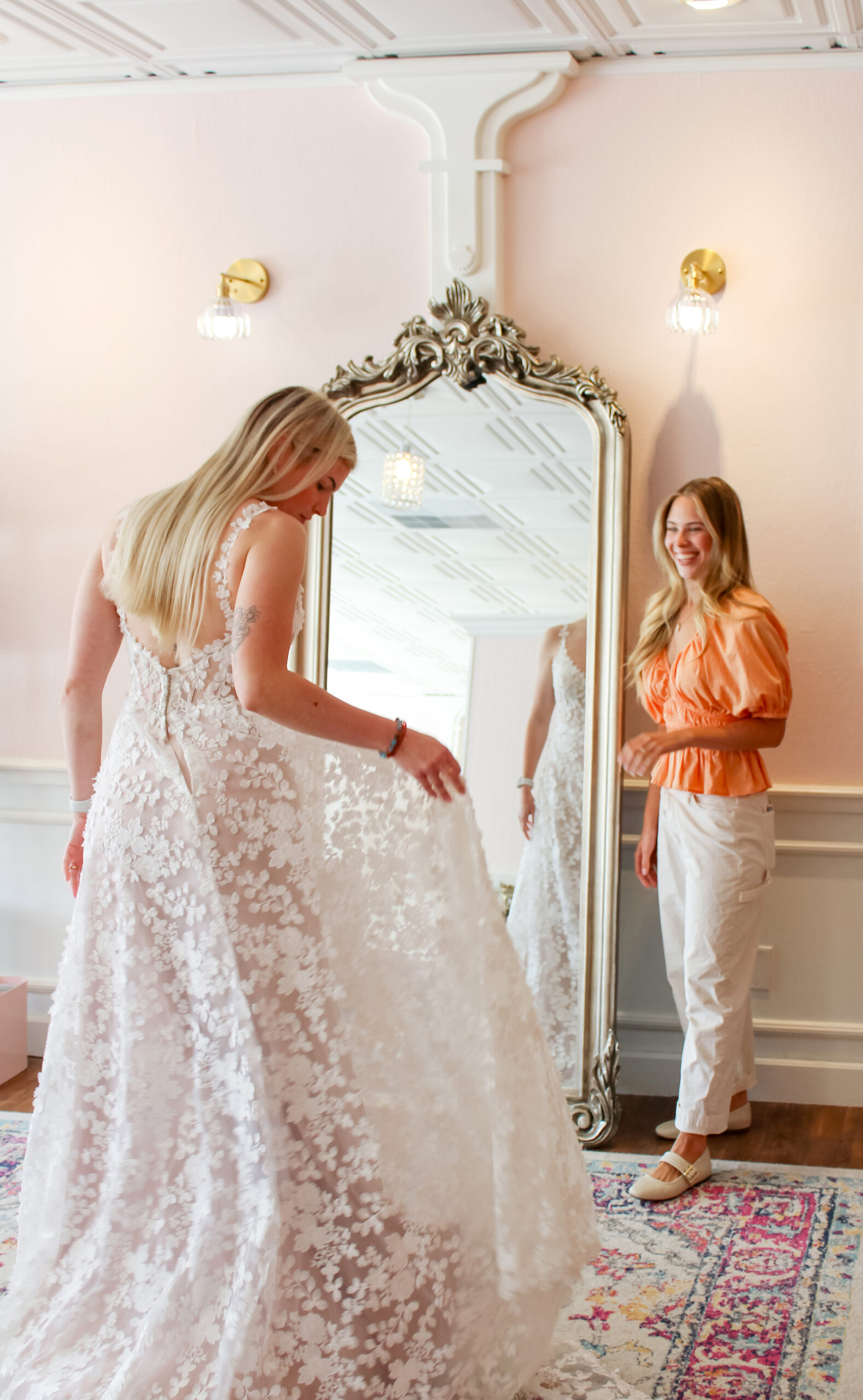
“The best time for a bride to shop is when she feels financially and emotionally ready to say yes to her dress,” Pierce says. “We regularly help brides find beautiful gowns on shorter timelines. While waiting may mean fewer options to choose from, it doesn’t mean you won’t find a dress you truly love, it just might mean you don’t get to try on every dress in store!”
“It (can take) 4-6 months for a dress to arrive and you need to account for any delays and time for alterations,” Olsen reminds. “If a bride has a shorter timeline, this may not be possible. In that case rush shipping or an off-the-rack purchase is an option.”
From buying advice to unique options, read on for what Blair, Olsen and Pierce divulge about the bridal fashion world in 2026 and beyond.
What are you currently seeing in bridal fashion?
Svetlana Blair, Pickyglam Bridal (SB): Brides today are gravitating toward elevated simplicity paired with couture-level craftsmanship. European bridal fashion is leading the way with modern beaded lace, hand embroidery, structured corsetry, pearl accents and softly sculptural silhouettes. These designs feel luxurious without being overdone —the focus is on precision, texture and timeless beauty rather than excess. At the same time, there is no single “trend bride.” Every bride is unique in her body, height and personal style.
At Pickyglam Bridal, we treat trends as a starting point, not a rulebook. We build each custom look around the bride — adjusting fabric, structure, proportions, and design details so the gown not only looks beautiful, but feels incredible to wear. True luxury is a dress that fits both the body and the vision perfectly. Modern brides want a gown that feels timeless in photographs yet unforgettable in person—and most importantly, one that feels authentically theirs.
Amy Olsen, Erika’s Bridal Couture (AO): Romantic lace a-line dresses, basque waist dresses, neck scarves, Cathedral lace veils, structured minimalist dresses, corset bodices, unique necklines.
Lauren Pierce, Ivory Rose Bridal Boutique (LP): We’re seeing a strong return to timeless, romantic bridal fashion. All-over vintage lace is having a big moment, especially when paired with structured bodices that offer support and shape. Brides are gravitating toward ballgowns, strapless silhouettes, and thoughtfully designed sleeves, blending classic bridal elements with modern construction.
What are you seeing that’s less traditional or trendy, and more unique?
LP: We work with a lot of brides who are looking for styles they can’t find everywhere else. We’re seeing strong interest in unique lace patterns, unexpected textures and thoughtfully constructed silhouettes that still feel bridal but stand apart from cookie-cutter designs.
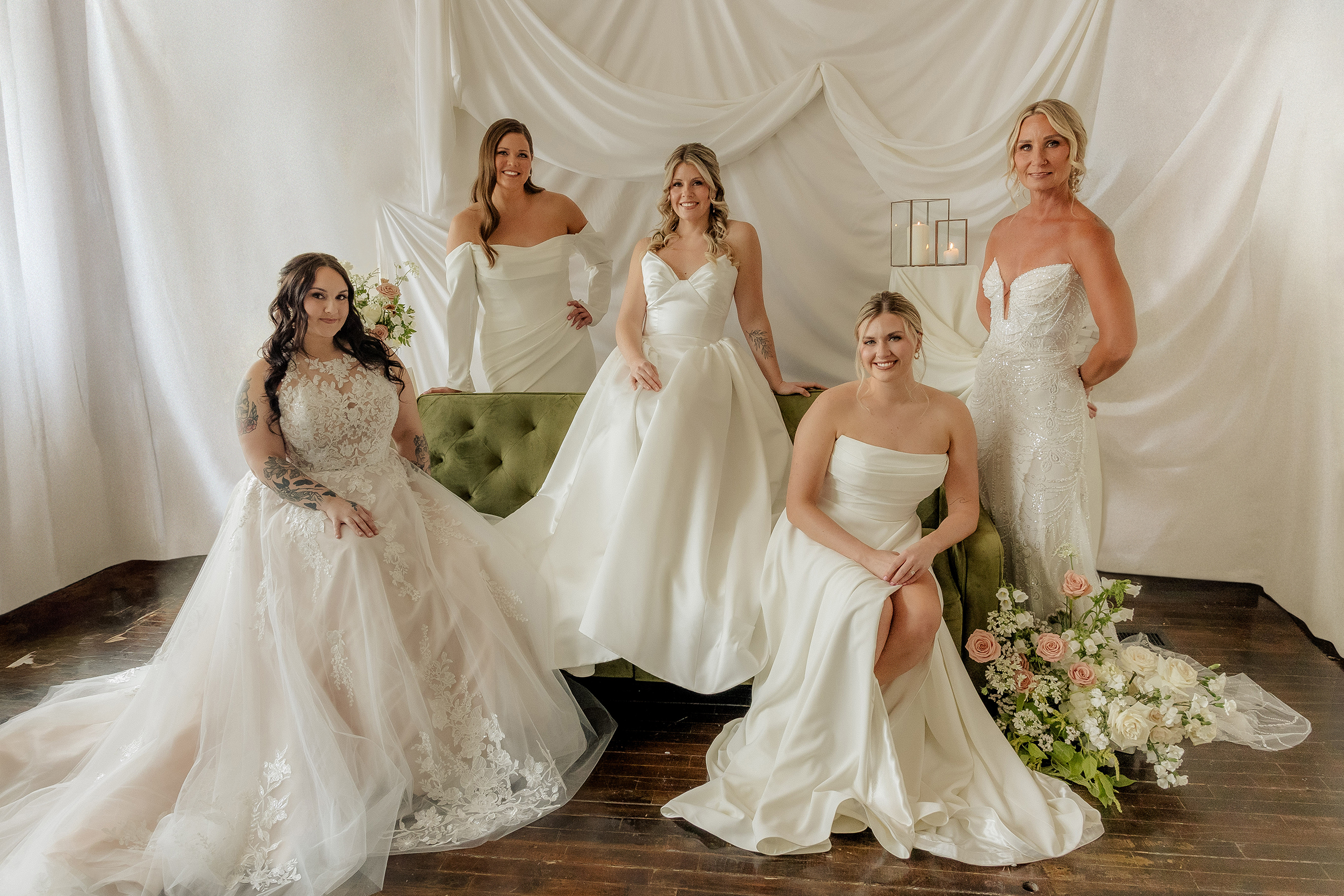
That’s why we’re especially excited to be introducing a large private, unadvertised line to Ivory Rose in the coming months, with some pieces that have already arrived in store! These gowns are designed for brides who want something truly distinctive and a bit unexpected, while still honoring classic bridal elegance.
SB: We’re seeing brides lean toward editorial couture—looks that feel fashion-forward rather than traditionally bridal. This includes mini dresses styled with gloves, architectural bows, soft pastel underlayers, statement floral appliqués, unexpected textures, and even bold accents like black or red. These designs feel runway-inspired while still honoring the emotion of a wedding day.
AO: Colorful florals, halter neckline, a uniquely patterned or aline beaded gown, a blouson sleeve or a pleated dress are unique options for a bride looking for something different.
Multiple dresses/convertible looks for the bride. How can they work?
SB: It’s not always about multiple dresses. European designers are masters of transformational bridal design. Brides may choose a short dress with a dramatic removable skirt, revealing a chic second look later in the night, or design one custom corset paired with different skirt silhouettes or fabrics to create multiple moments.
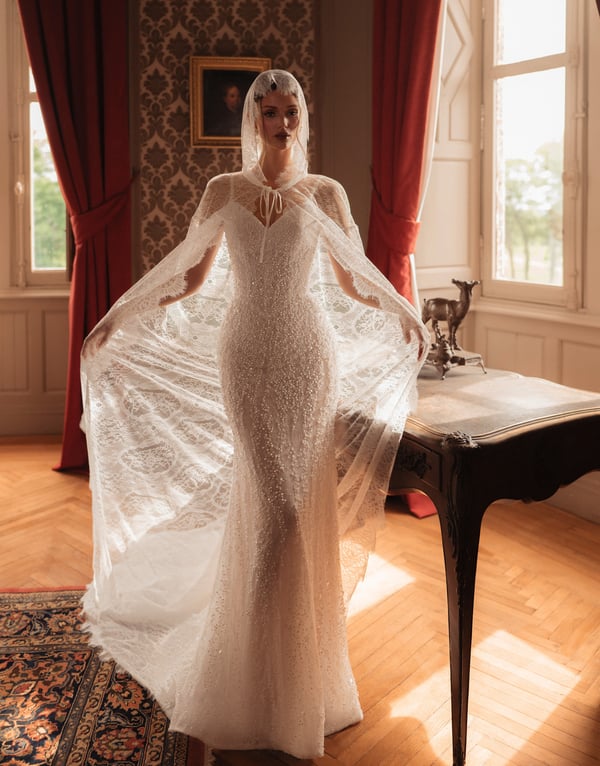
With detachable elements like overskirts, sleeves, capes, boleros, or even bridal pants, a bride can begin the day in full ceremony elegance and transition effortlessly into a lighter, modern look—all within one cohesive couture vision.
LP: We are absolutely seeing brides think more intentionally about how their look transitions throughout the day. Many brides are choosing a more formal, structured gown for the ceremony, then changing into something lighter, softer, or more relaxed for the reception.
We’ve also seen interest in gowns that have removable elements, giving the bride a “two-looks-in-one” moment! Whether that is through removable sleeves, overskirts, or styling changes, or even removable jackets.
Advice for brides on the outfit hunt:
AO: Start with inspiration photos and do a little research, but stay open once you start trying on dresses. Set your budget before you start shopping. Bring a small, trusting crew whose opinions you value. Trust your feelings and what feels right for you. You want to find the dress that feels like the best version of you and you don’t want to take it off!
SB: Come with inspiration, not expectations. Be open to being surprised. The dress you fall in love with is often the one that makes you feel like the best version of yourself, even if it wasn’t what you originally imagined.
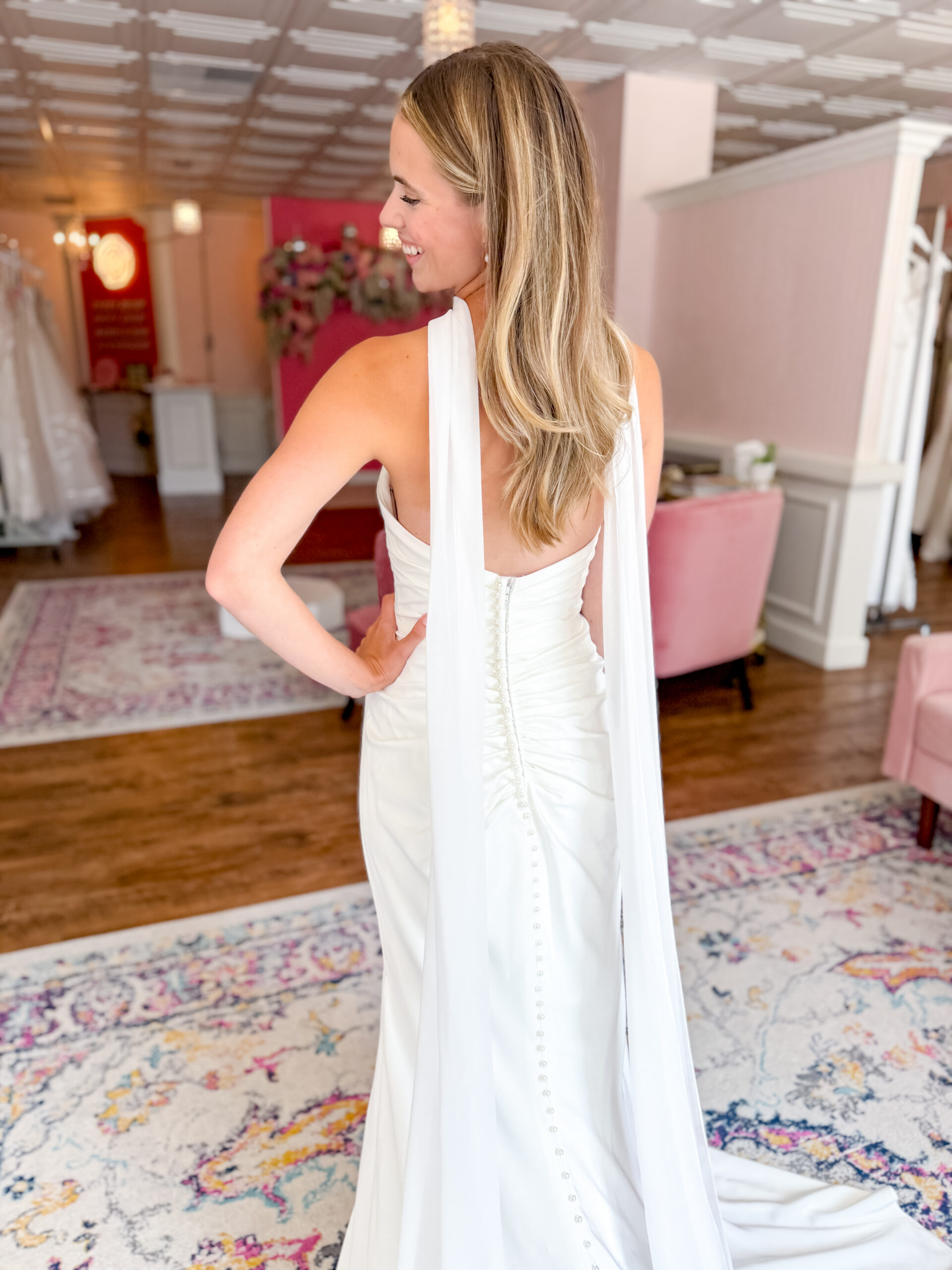
Bring the people who truly know and support you, and don’t rush the process. It’s perfectly normal to visit a boutique more than once—clarity often comes with time. And remember, a gown feels very different once it’s tailored to your body. Don’t chase trends: chase your vision, your comfort and how you want to feel walking down the aisle.
LP: Do a little research before booking your appointments! Not every bridal boutique is created equal! Take time to make sure the stores you’re choosing carry a wide range of dresses within your budget, not just a few options, and that they sample gowns in your size or close to it. It’s also important to confirm that the designers and styles they carry actually align with your vision.
One of the best places to find this information is a boutique’s FAQ section on its website. Spending a bit of time upfront doing this research can save you a lot of time, stress, and energy later—and helps ensure your dress-shopping experience feels productive, supportive, and enjoyable from the start.
What is surprising about the bridal fashion world in 2026 and beyond?
SB: What surprises many brides is how personal and flexible the process has become. In 2026, buying a wedding dress is no longer about choosing a gown from a rack and hoping it works—it’s about collaboration, customization, and access.
Brides can now adjust nearly everything: fabric, silhouette, neckline, skirt volume, sleeves, corsetry, and construction. Custom design is no longer reserved only for couture houses in Europe—it’s accessible, realistic and often faster than expected.
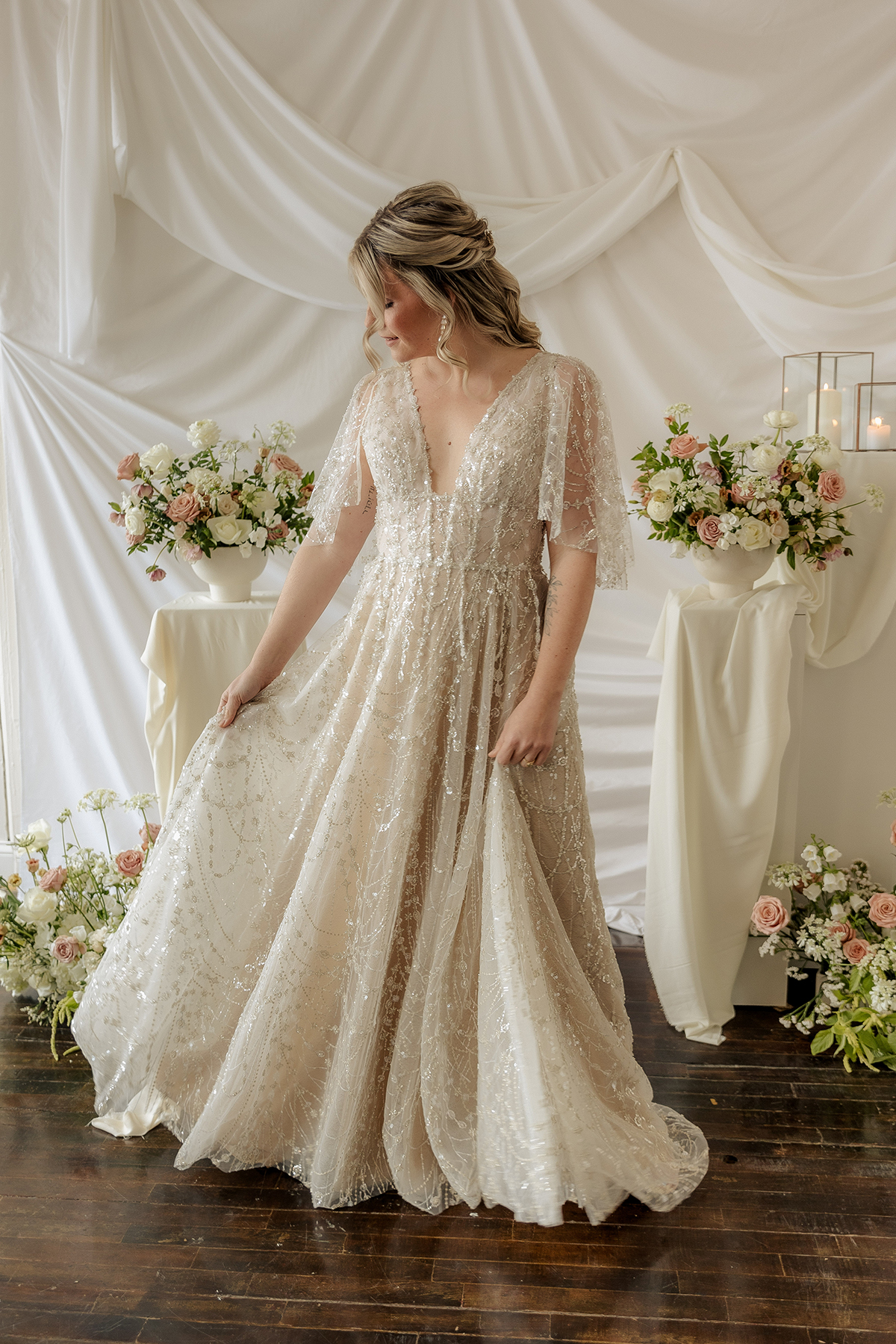
LP: What often surprises brides most is that wedding dress shopping doesn’t have to be as hard or overwhelming as they expect. Right now, nearly 70% of Ivory Rose brides say yes to their dress on their very first visit- and we are often their very first store!
That really highlights how important the experience is. When choosing where to shop, the dress matters, but so do the people and the overall vibe. Brides benefit most from boutiques known for expert guidance, intentional celebration, and a supportive environment. When you choose a store that offers structure and direction—rather than a free-for-all—the process becomes clearer, more enjoyable, and far less intimidating.
AO: Social media can add to the stress of wedding dress shopping. With so much information out there, it can feel overwhelming. Also, every bride’s “yes” moment looks different. While some brides are emotional, others can be quiet or joyfully state “this is my dress.” Each person experiences it differently.
Bridal fashion has shifted in the past few years, becoming more personal, flexible, and fashion-forward. The biggest changes are brides embracing: multiple looks, comfort, minimalism, less traditional, and statement details. On the men’s side of fashion, they are incorporating color into their wedding attire and often opt for a customized look.