

Bold Decorating Is Making A Splash
The adage “Everything old is new again” has recently made itself known in interior decorating in the form of colorful and bold design: wallpaper is back!
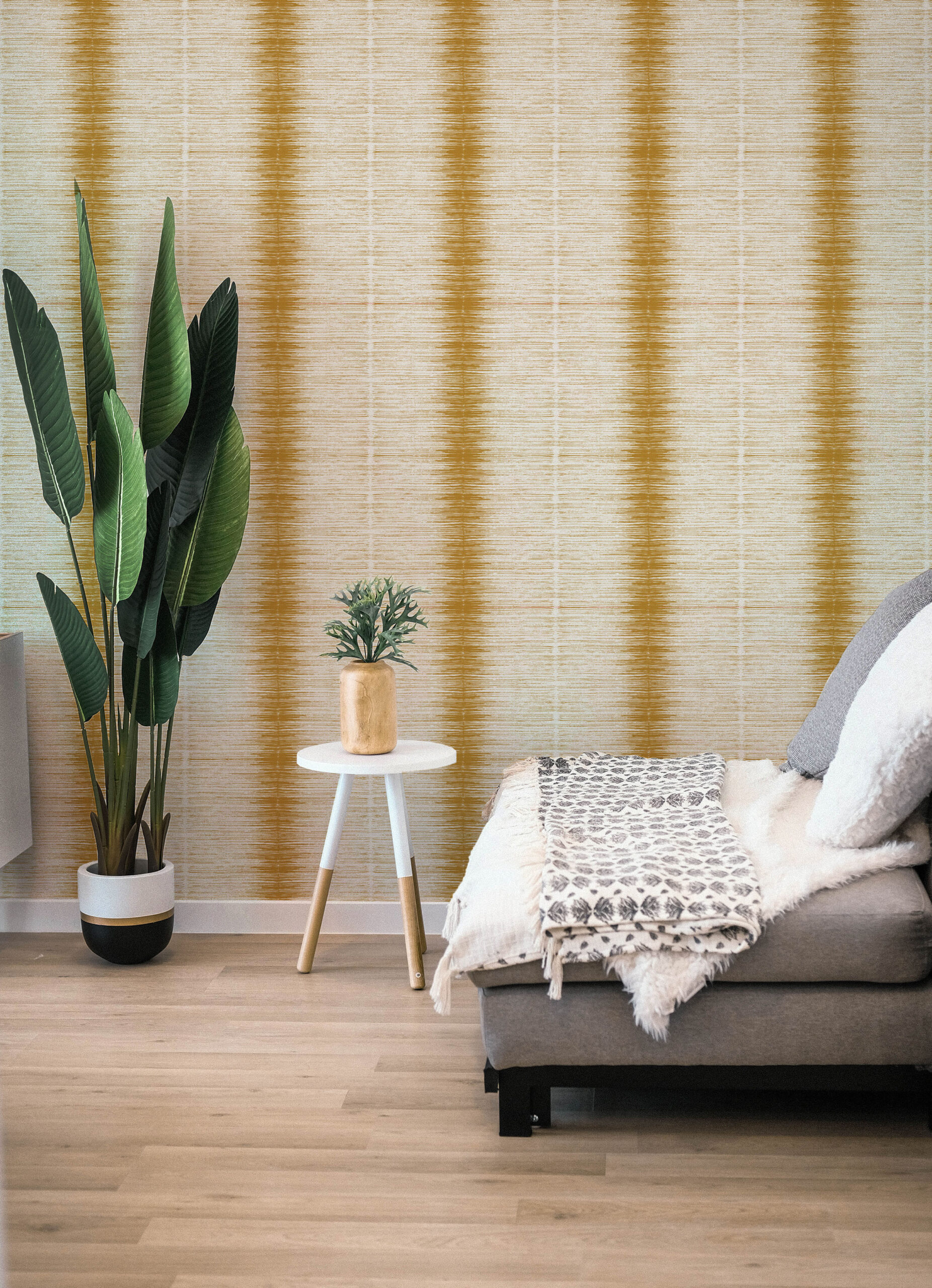 Homeowners are reveling in eclectic choices and transforming their spaces with their personal taste in mind rather than neutrals that reigned supreme in past years. With previous years dominated in minimalism, 2026 calls for the opposite.
“The resurgence of wallpaper has gained momentum as trends have started to move away from the more minimalist, all-white, modern farmhouse aesthetic that dominated the last decade. Modern farmhouse design leans heavily on white, black, and light wood tones, with visual interest created primarily through texture and contrast rather than color or pattern,” Cristy Wildenberg, Owner & Principal Interior Designer of Trait Design, explains.
“As tastes shift, homeowners have been looking for ways to reintroduce character, warmth, and personal expression back into their spaces. Warmer whites and shades of beige now dominate, with deeper wood tones, bold color, pattern, and more intricate architectural details all coming back into style. Wallpaper has naturally stepped into the spotlight as a way to complement this evolution, offering the opportunity to make a personal statement—something that has been absent from the minimalist interiors that have been popular in recent years.”
“For a while, people were nervous about committing to something so bold after the beige-and-gray minimalism that dominated, but homeowners started craving more personality,” Brittany Treml, Founder and Principal Designer at Serenity Interior Design & Decor in Appleton adds. “Wallpaper became the perfect way to add texture, color and storytelling back into design.”
“Wallpaper historically comes in and out of fashion,” Kris Hackl, Interior Design Instructor at Fox Valley Technical College, adds. “The current popularity has been going strong for the past 5-10 years… printing methods have changed making it more accessible with a wider range of styles, patterns and substrates than ever before… we all have a story to tell, and wallpaper can do that for a space.”
Timeless Patterns
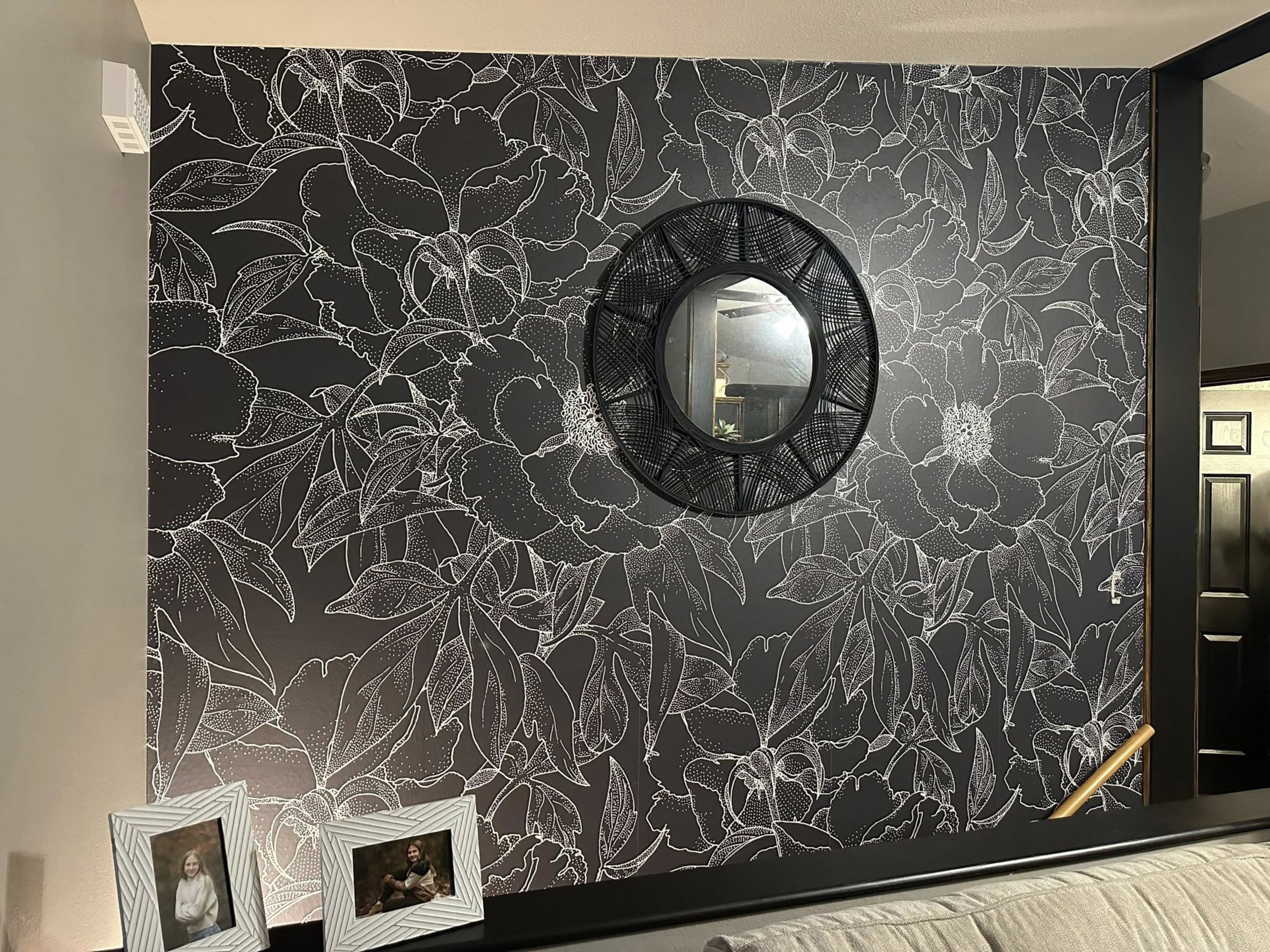 There’s been a focus on nature in the last few years in home design, and that not only includes earthy colors, but textures as well.
“The colors and patterns homeowners choose for wallpaper are largely shaped by their personal style and the type of expression they want each space to convey. Recent trends have favored moody hues, bold patterns, and immersive mural-style designs, which are perfect for creating statement walls or adding dramatic visual interest,” Wildenberg explains. “Smaller spaces like powder rooms, laundry rooms, or entryways are especially well-suited to these bold choices, allowing homeowners to make a big impact without overwhelming the home. In other living spaces, wallpaper is often used more subtly—through textures like grasscloth or understated patterns—to add depth and interest while keeping the space balanced and comfortable.
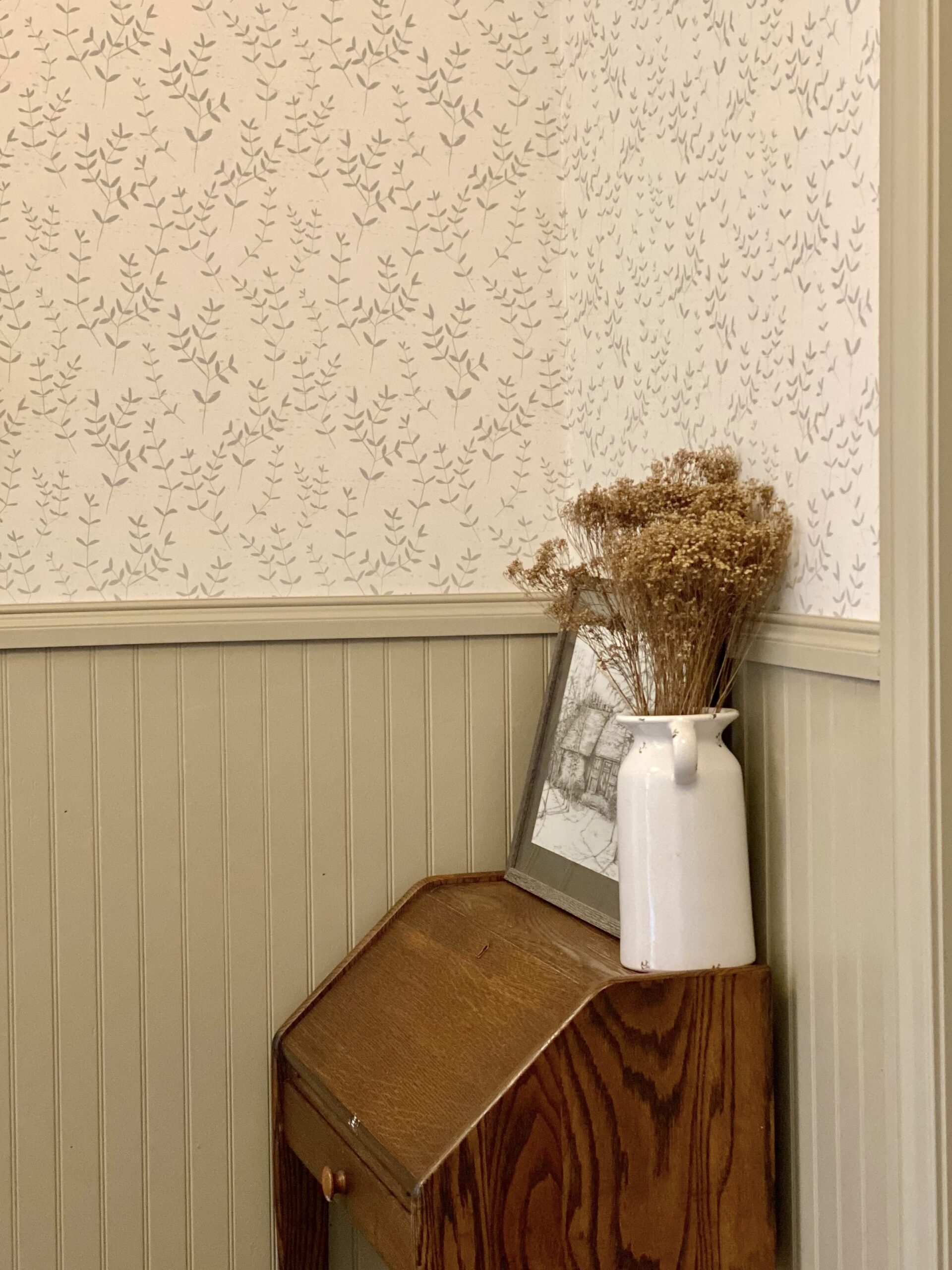
“We’re seeing a big move toward organic and timeless patterns like botanicals and natural textures,” Treml adds. “Earthy tones like olive, clay, and taupe are strong, but so are rich, moody colors like deep navy and charcoal. Grasscloth textures are also really popular for adding subtle interest without overwhelming a space. Clients love using wallpaper in unexpected areas now like powder baths, laundry rooms, backs of built-ins, and even ceilings!”
Florals, ranging from minimal line drawings to maximalist designs, as well as dark and moody and autumnal hues have made a resurgence as well.
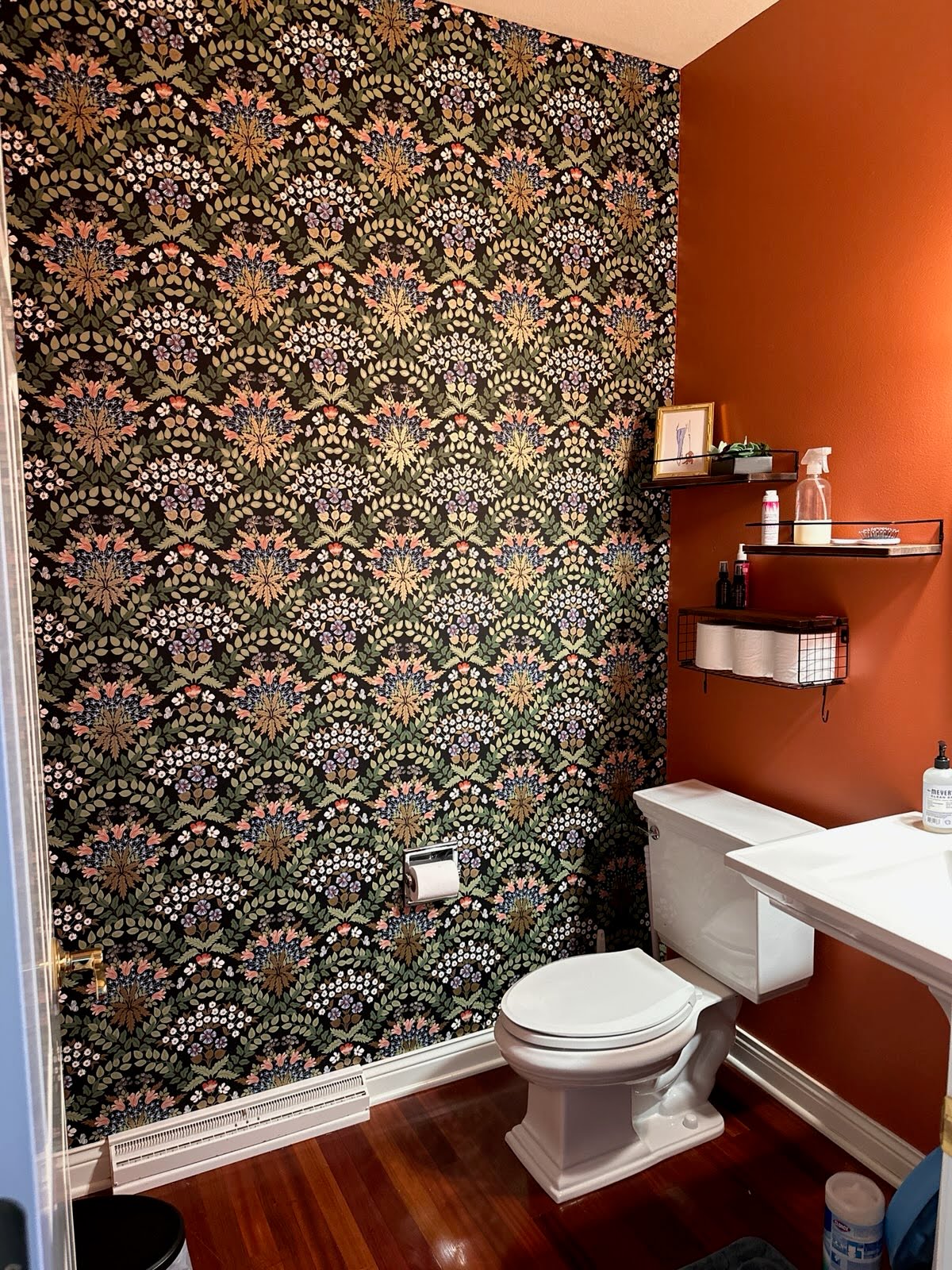
Hackl lists “William Morris inspired designs from the Arts & Crafts Movement; geometric and abstract shapes; preppy plaids and stripes; lush botanicals; Murals and Painterly watercolor” as top in 2026.
 Wallpaper’s Evolution
Kris Hackl: The biggest change in wallpaper has been with printing technology. Digital printing now allows for quick production, lower cost, endless design options that can pivot quickly to meet trends, customization and more durable substrates.
Cristy Wildenberg: One of the biggest evolutions in wallpaper has been the rise of peel-and-stick options, making it easier than ever for people to confidently tackle DIY wallpaper projects at home. There are far more choices available than even five years ago, and the quality of adhesion has improved significantly.
Equally transformative has been the expansion of patterns and styles. Traditional wallpaper manufacturers continue to produce new designs to keep up with trends, but companies like Spoonflower have opened up even more possibilities by offering wallpaper options in bespoke artwork from independent artists – which can be printed on either in traditional or peel-and-stick formats.
Homeowners have the freedom to choose from thousands of prints—from a subtle, coordinating floral to a playful, whimsical design like “Sasquatch in a Forest Collecting Mushrooms.” For those who are even more creative, there are even online platforms that allow you to design your own wallpaper, giving full control over colors, patterns, and imagery. Together, these options empower homeowners to create spaces that truly reflect their personality and style.
Brittany Treml: The biggest change is how high-end and design-forward wallpaper has become. You can find everything from textured linens and metallics to digital murals and hand-painted styles, the options are endless.
Peel-and-Stick Wallpaper: Is It Worth It?
Brittany Treml: Peel-and-stick wallpaper definitely has its place! It’s a great option for renters or anyone who wants a temporary change like nurseries or kids’ rooms that will evolve over time. The quality has improved quite a bit, but it’s still not quite the same as traditional wallpaper in terms of finish or longevity.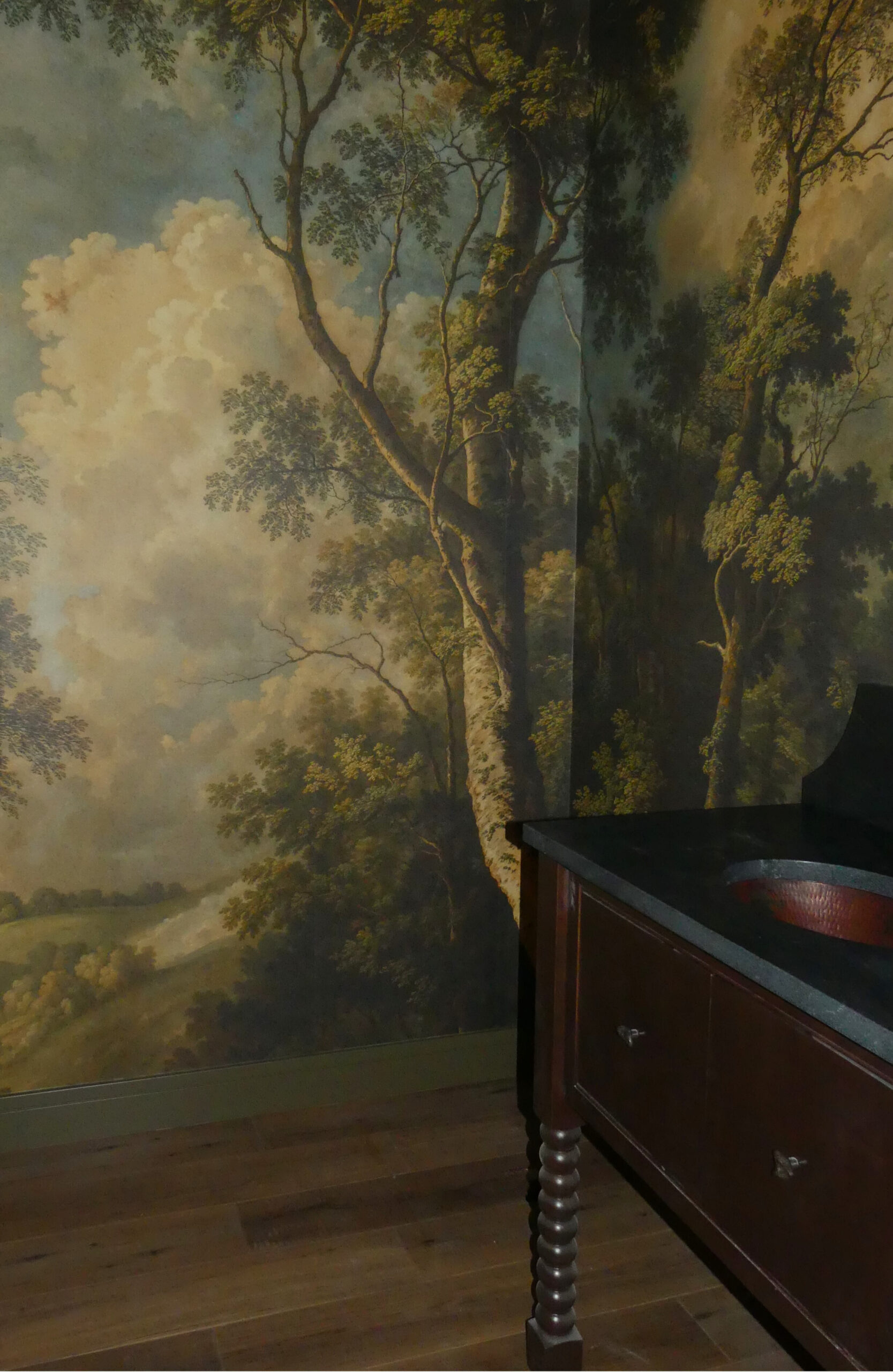
Kris Hackl: In the past I may have dismissed peel and stick wallpaper, but it has significantly improved in quality in recent years. It feels like there is a lower barrier to entry for homeowners, encouraging them to give it a try. With a somewhat easy, less messy installation, and the fact that it is removable, why not? While I prefer traditional wallpaper, I recognize the value of peel and stick as an option. It is perfect for rentals, children’s rooms or areas that may experience heavier use such as playrooms, laundry rooms or mudrooms. It is also great for unique applications like the back wall of a bookshelf, cabinet, closet or even as a drawer liner.
Cristy Wildenberg: Peel-and-stick wallpaper is an excellent option for anyone looking for an affordable, low-commitment way to update a space—whether you enjoy DIY projects, want to avoid professional installation costs, are renting and can’t damage the walls, or simply want a temporary change. Traditional wallpaper can also be installed by a DIYer, but it’s a more permanent application and generally more challenging to handle, which is why many people prefer peel-and-stick for its ease and flexibility.
Installation and Design Integration
Cristy Wildenberg: The most important factor for installing either peel-and-stick or traditional wallpaper is the smoothness of the wall. Many homes have walls finished with textured plaster, which is not ideal for wallpaper. If you are building or remodeling, it’s best to ask your plasterer to finish the walls you plan to paper with a smooth surface. For existing textured walls, there are plenty of online tutorials that show how to smooth the surface to ensure proper adhesion and the best finished result.
Be sure to understand how wallpaper pattern repeats work or use an online wallpaper calculator to determine how much paper you’ll need. Most wallpapers feature repeating patterns, so it’s important to account for this to ensure the design lines up correctly from panel to panel and you have enough paper to cover the intended area. For mural-style options, carefully measure the width and height of your wall to ensure the mural sizing fits your space accurately and creates the intended effect. Additionally, consider any architectural features—like windows, doors, or moldings—that may interrupt the pattern, and factor these into your calculations. Ordering a little extra wallpaper is always a good idea to allow for matching patterns, mistakes, or future repairs.
Kris Hackl:
- Make sure that the walls are prepped, smooth and clean before you begin.
- Most wallpaper companies have a calculator on their website to help you determine how much wallpaper you need.
- If you plan to install it yourself, have a helper!
- If you feel overwhelmed with choices and coordination of wallpaper to your space, I encourage you to hire an interior designer to help with the process and sourcing materials.
- For the best results, hire a professional wallpaper hanger to install it.
- Most importantly, have fun with it!
 Brittany Treml: Start small if you’re nervous. Powder baths, entryways, or behind open shelving are great spots to test your comfort level. Wallpaper can completely transform a space, but the key is balance. If you go bold on the walls, keep surrounding finishes and décor more neutral to let it shine. And don’t be afraid of patterns! Sometimes the spaces we love most are the ones where we took a little design risk. The right wallpaper can make a home feel truly custom and tell your story in a way paint never could.
Kris Hackl: Just as we do with paint, always order wallpaper samples to evaluate the quality and view them in your own lighting. Hang the samples on the wall and observe them at different times of the day. If the pattern has a large repeat, I suggest ordering a larger, one yard sample. Don’t hesitate to start small, in a powder room on the upper third of the wall above wainscoting, in a laundry room or as an accent wall in a bedroom. If you are feeling bold, you could even try it on the ceiling! This makes a big statement in a foyer or dining room. Don’t be afraid to mix patterns within a space, just be sure to use a variety of scale and unify through your color palette and design style.
Be sure to choose the best substrate for the function of your space. For example, If it needs to be washable, then consider a vinyl base. If you want to add texture and elegance, consider a grass cloth.
Cristy Wildenberg: When choosing wallpaper, consider how it reflects your personal style and the overall mood you want the room to convey. Pay attention to the scale of the pattern—the size of the motifs, how often they repeat, and the color contrasts. Large-scale patterns with bold contrasts create striking statements, while smaller patterns add subtle texture and visual interest. Be sure to balance your wallpaper choice with other elements in the room, such as furniture, artwork, and textiles, to maintain a harmonious feel. Wallpaper can serve as a dramatic focal point or as a gentle complement to the room’s existing features, depending on the effect you want to achieve.
Brittany Treml: Once you do it, you won’t regret it! Wallpaper is all about bringing personality. When chosen thoughtfully, it can tie an entire room together and reflect who you are.If you’re on the fence, order samples, tape them up, and live with them for a few days. You’ll quickly fall in love with wallpaper. And if you’re unsure how to make it work, that’s where a designer comes in, we help you find the perfect balance so it enhances your home rather than overpowering it.